Glossary

What is Spinal Adjustment?

Spinal Adjustment is a manual procedure performed by a licensed chiropractor to apply controlled force to a specific joint in the spine. The goal is to improve spinal motion, reduce nerve irritation. And restore proper alignment, which may help relieve pain, stiffness. Or dysfunction in the back, neck. Or related areas.

Reviewed by Advanced Injury Care ClinicSources reviewed: American Chiropractic Association, National Center for Complementary and Integrative Health (NCCIH)

Quick Facts About Spinal Adjustment

Category

Chiropractic procedure

Used for

Back pain, neck pain, joint stiffness, nerve irritation

Common confusion

Often mistaken for general cracking of joints, not the same as massage

Also called

Chiropractic Adjustment, Spinal Manipulation

Often discussed with

Back Pain Treatment, Neck Pain Treatment

Key Takeaways About Spinal Adjustment

Understanding Spinal Adjustment
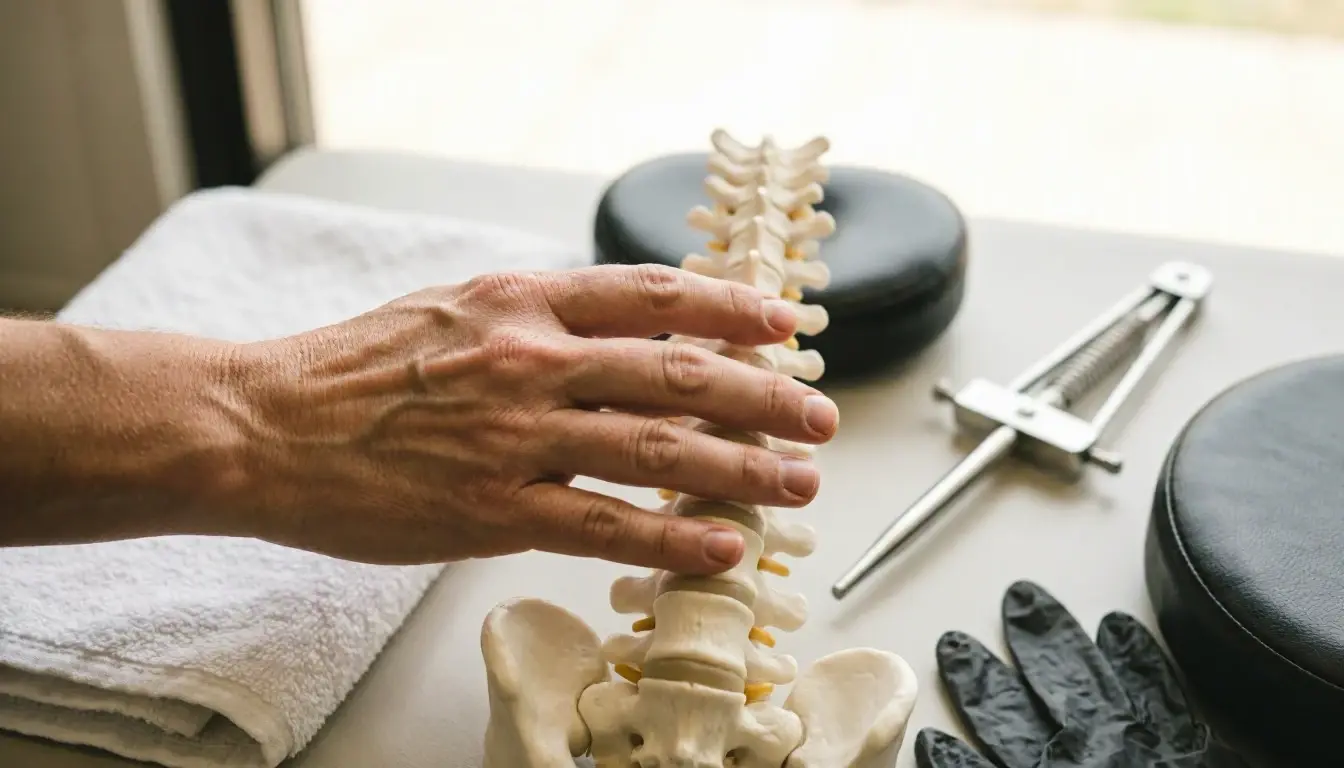
Spinal Adjustment in Chiropractor—Brentwood Estates

A spinal adjustment is a hands-on fix. Chiropractors use it to fix spine problems. These problems are called subluxations (misalignments).

Related glossary terms: Chiropractic Adjustment, Chiropractic Manipulation, Diversified Technique.

Subluxations can happen from injuries. They can come from bad posture too. Stress or daily wear can cause them as well.

A joint in your spine may not move right. This can cause pain or stiffness. It may also hurt how nerves work.

A spinal adjustment uses quick, gentle force. This helps the joint move normally again. It puts the spine back in line.

This is not like cracking your own back. Chiropractors train for years to do it safely. They learn how to help each person.

They check your spine first. They find spots that don’t move well. Then they use the right method for you.

Some adjustments make a popping sound. This is just gas leaving the joint. It doesn’t mean the fix worked.

How Spinal Adjustment Works?

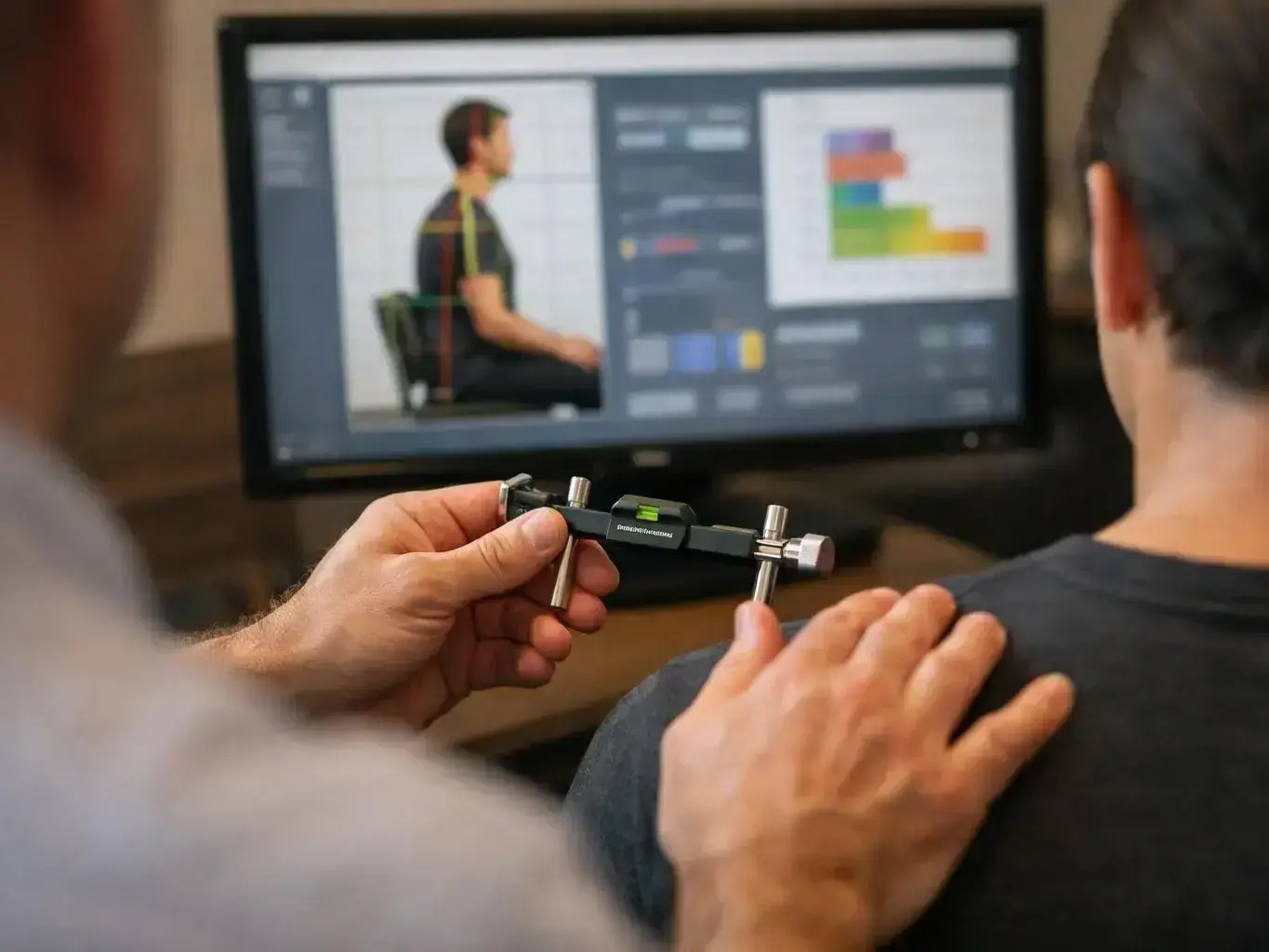
First, the chiropractor checks your spine. They may do a physical exam. Sometimes they use X-rays too.

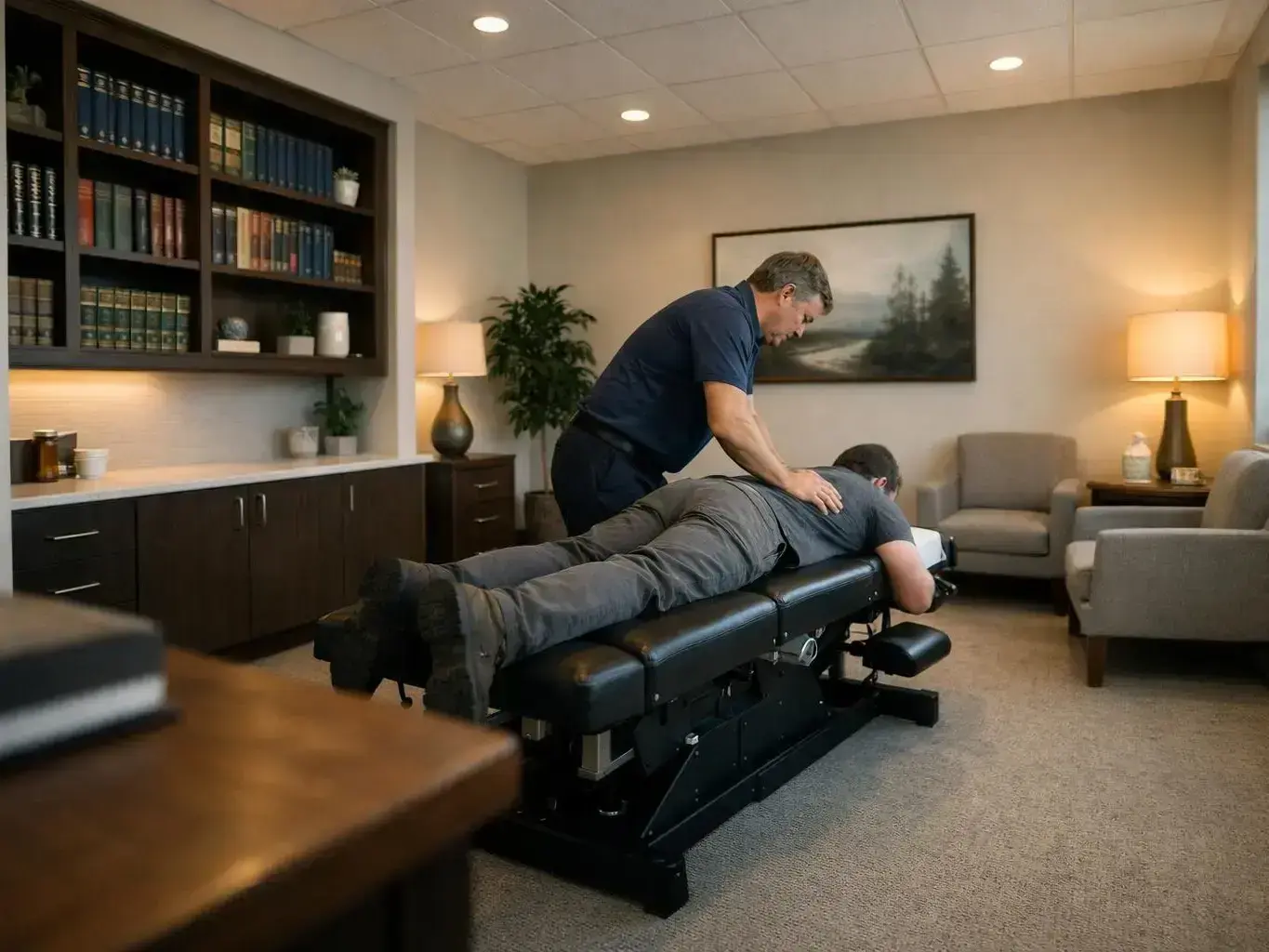
They find where you need help. Then they use their hands or a tool. They give a quick, controlled push to the joint.

This push moves the joint a little further. It breaks up stiff spots. It helps the joint move better.

Your nerves may feel better too. Less pressure means better brain signals. Your whole body can work better.

There are different ways to adjust the spine. Some chiropractors use their hands. Others use tables or tools.

The method depends on you. It looks at your age and health. It also checks how comfortable you feel.

Kids and older people may need gentle methods. Athletes might need stronger ones. Each person gets what works best.

Why Spinal Adjustment Matters?

Spinal adjustments can help with pain. They don’t need medicine or surgery. Many people find relief this way.

They help with back pain and headaches. They can ease sciatica (nerve pain). They also help with stiffness.

Better spine function means easier movement. Bending, lifting. And sitting feel better. Daily tasks get simpler.

Adjustments may help your body heal. Good alignment means less stress. Muscles, ligaments. And nerves work better.

Some people sleep better after adjustments. Others have more energy. A few even say their immune system improves.

Results vary for everyone. Adjustments work best with other care. Exercise, stretching. And lifestyle changes help too.

When Spinal Adjustment Matters Most?

Adjustments help with sudden or long-term pain. They fix spine misalignments (bad alignment). This can ease pain fast.

They help after car accidents. They work for sports injuries too. They also help if you sit or stand too long.

People with sciatica or herniated discs find relief. So do those with tension headaches. Regular care can help a lot.

Adjustments aren’t just for pain. They can keep your spine healthy. They help stop problems before they start.

Athletes use them to stay in top shape. They also help prevent injuries. Office workers benefit from them too.

They fight the effects of bad posture. But adjustments aren’t for everyone. Some health issues mean you shouldn’t get them.

People with severe osteoporosis shouldn’t get them. Neither should those with spine fractures. Some inflammatory issues mean no adjustments either.

How to Evaluate Spinal Adjustment?

Related Concepts Compared

Spinal Adjustment vs. Spinal Manipulation

Spinal Manipulation is a broader term that includes any manual technique to move spinal joints. While Spinal Adjustment specifically refers to precise, controlled force applied by a chiropractor.

Spinal Adjustment vs. Massage Therapy

Massage Therapy focuses on relaxing muscles and improving circulation. While Spinal Adjustment targets joint alignment and nerve function.

Spinal Adjustment vs. Physical Therapy

Physical Therapy often includes exercises and stretches to strengthen muscles. While Spinal Adjustment primarily addresses joint movement and alignment.

Expert Note

Spinal adjustments are highly individualized. What works for one patient may not be suitable for another. So a detailed evaluation is essential to tailor the technique to the person’s unique spinal health needs.

Common Mistakes or Myths About Spinal Adjustment

  • Assuming all spinal adjustments are the same; techniques vary based on the patient’s needs.
  • Believing that the popping sound means the adjustment was successful; it’s just gas releasing from the joint.
  • Thinking spinal adjustments are only for back pain; they can also help with neck pain, headaches. And nerve-related issues.
  • Expecting immediate, permanent results after one session; most conditions require multiple visits.
  • Confusing spinal adjustments with cracking your own back, which can cause harm if done improperly.

Spinal Adjustment in Practice: A Real-World Example

After a minor car accident, a patient experiences stiffness and pain in their lower back. A chiropractor evaluates their spine and identifies a restricted joint in the lumbar region. Using a quick, controlled thrust, the chiropractor performs a spinal adjustment, which helps restore movement and reduces the patient’s discomfort.

Sources & Further Reading on Spinal Adjustment

Related Services

Related Terms

Chiropractic Adjustment

Chiropractic Adjustment is a hands-on procedure where a licensed chiropractor applies controlled force to a specific joint in the spine or other body part. The goal is to improve spinal motion, reduce nerve irritation. And help the body heal naturally without surgery or medication. Adjustments are commonly used to relieve back pain, neck pain.

Chiropractic Manipulation

Chiropractic Manipulation is a hands-on treatment where a licensed chiropractor applies controlled force to joints, especially in the spine, to improve mobility, reduce pain. And support the body’s natural healing. It often produces a popping sound called cavitation caused by gas bubbles releasing from the joint fluid.

Diversified Technique

Diversified Technique is the most widely used chiropractic adjustment method, involving precise manual thrusts to restore joint mobility and reduce pain. Diversified Technique focuses on hands-on corrections of spinal misalignments, often producing an audible pop known as a cavitation. It's evidence-based, taught in chiropractic schools.

Gonstead Technique

Gonstead Technique is a precise chiropractic method focused on identifying and correcting misalignments in the spine and pelvis. Gonstead practitioners use detailed analysis, including X-rays, palpation. And instrumentation, to locate specific problem areas. Adjustments are delivered by hand with controlled force to restore proper alignment, reduce nerve irritation. And improve overall function.

Advanced Injury Care Clinic

Have Questions About Spinal Adjustment?

Contact Advanced Injury Care Clinic for practical guidance on Spinal Adjustment and related chiropractor work in Brentwood Estates.

+1 615-777-0624