Glossary

What is Ligament Injury?

Ligament Injury is damage to the tough, flexible bands of tissue that connect bones to other bones at joints. Ligament injuries typically occur when a joint is forced beyond its normal range of motion, causing stretching, partial tearing. Or complete rupture. Common examples include sprained ankles, torn knee ligaments. And wrist injuries, often resulting in pain, swelling. And instability.

Reviewed by Advanced Injury Care ClinicSources reviewed: American Academy of Orthopaedic Surgeons, National Institute of Arthritis and Musculoskeletal and Skin Diseases

Quick Facts About Ligament Injury

Category

Musculoskeletal injury

Used for

Joint stability and movement

Common confusion

Often mistaken for muscle or tendon injuries

Also called

Sprain, Ligament tear

Often discussed with

Car Accident Injury Treatment, Work Injury Treatment

Key Takeaways About Ligament Injury

Understanding Ligament Injury
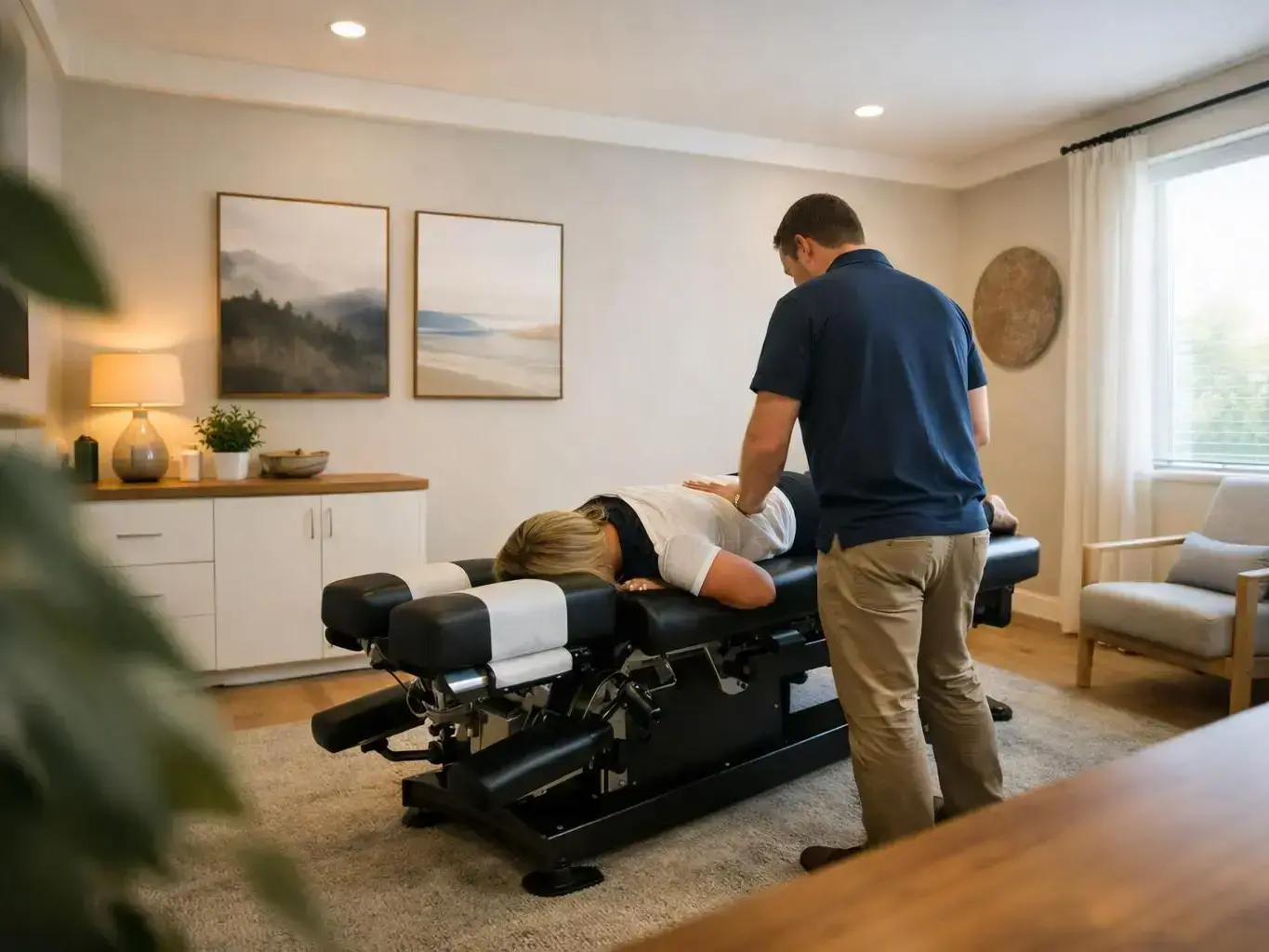
Ligament Injury in Chiropractor—Brentwood Estates

Ligament injuries happen when bands stretch too far. These bands connect bones at joints.

Related glossary terms: Soft Tissue Injury, Chiropractic Care, Motor Vehicle Accident.

Ligaments keep joints steady. They stop joints from moving too much. But they can get hurt.

This happens when a joint moves past its normal range. Common spots are ankles, knees, wrists. And shoulders.

These injuries often happen during sports. They also happen from falls or accidents.

Signs of a ligament injury include pain. There may be swelling and bruising too.

The joint may feel loose or unstable. The injury has three grades.

Grade 1 is mild. It means the ligament stretched a little.

Grade 2 is worse. It means the ligament partly tore.

Grade 3 is the worst. It means the ligament tore all the way.

Some injuries heal with rest. But bad ones may need surgery.

Surgery can stop long-term problems. These include pain or arthritis.

How Ligament Injury Works?

Ligament injuries hurt joint stability. The joint may feel wobbly.

It can be hard to put weight on it. Moving normally may be tough.

For example, a torn ACL can make knees give out. This happens when running or jumping.

The body sends blood to heal the injury. This causes swelling and pain.

A doctor checks for tenderness and swelling. They see if the joint is stable.

They may use X-rays or MRI scans. These show how bad the injury is.

Treatment depends on how bad it is. Mild sprains need rest, ice. And elevation.

This is called RICE. It stands for rest, ice, compression. And elevation.

Worse injuries may need a brace. They may need physical therapy or surgery.

Rehab helps get strength back. It also helps with flexibility and stability.

Why Ligament Injury Matters?

Ligament injuries can change daily life. Even small sprains hurt and limit movement.

Bad tears may take months to heal. They need lots of rehab.

Untreated injuries can cause long-term problems. The joint may stay unstable.

This raises the risk of hurting it again. It may also lead to arthritis.

Athletes may miss sports for a long time. Others may miss work or fun activities.

Getting help early is key. It helps avoid bad outcomes.

Knowing the signs helps. It lets people get help fast.

Ignoring a knee injury can make things worse. It may hurt the joint more.

Chiropractors can help. They offer treatments without surgery.

These include adjustments and soft tissue therapy. They also help with rehab exercises.

When Ligament Injury Matters Most?

Joint stability matters most for some people. Athletes need it for their sports.

Their sports have sudden stops and jumps. They also have collisions.

Workers with tough jobs face risks too. This includes construction or manual labor.

Even daily tasks can hurt ligaments. Walking on bumpy ground can do it.

So can lifting heavy things wrong.

In Brentwood Estates, TN, ligament injuries are common. Athletes and workers get them often.

Car accidents and falls cause them too. Local chiropractors see these injuries a lot.

Knowing the signs helps. Getting care fast makes recovery easier.

A sprained ankle can heal well with quick help. Early care for knees may avoid surgery.

How to Evaluate Ligament Injury?

Related Concepts Compared

Ligament Injury vs. Tendon Injury

Tendons connect muscles to bones and are injured by overuse or strain. While ligaments connect bones to bones and are usually damaged by sudden joint stress.

Ligament Injury vs. Muscle Strain

Muscle strains involve overstretched or torn muscle fibers, causing pain and weakness, whereas ligament injuries affect joint stability and often involve swelling and instability.

Expert Note

Ligament injuries often heal slowly due to limited blood supply. Early, controlled movement and targeted rehabilitation can improve outcomes. But rushing recovery may lead to re-injury or chronic instability.

Common Mistakes or Myths About Ligament Injury

  • Assuming all joint pain is a muscle strain—ligament injuries often cause instability, not just soreness.
  • Ignoring mild sprains, which can lead to chronic joint problems if not properly treated.
  • Resuming activities too soon after an injury, risking further damage or re-injury.
  • Confusing ligament injuries with tendon or muscle injuries, delaying appropriate treatment.

Ligament Injury in Practice: A Real-World Example

After slipping on ice, a runner feels a sharp pain in their knee. Swelling appears within hours. And the knee feels unstable when walking. A healthcare provider diagnoses a partial tear of the medial collateral ligament (MCL) and recommends bracing, ice. And physical therapy to restore strength and stability.

Sources & Further Reading on Ligament Injury

Related Services

Related Terms

Soft Tissue Injury

Soft Tissue Injury is damage to the body’s muscles, tendons, ligaments. Or other non-bony structures caused by sudden trauma, overuse. Or repetitive stress. Soft Tissue Injury includes sprains, strains, bruises. And tendinitis, often resulting in pain, swelling, limited movement. Or weakness. These injuries commonly occur during sports, accidents. Or daily activities and may require rest, therapy.

Chiropractic Care

Chiropractic Care is a healthcare discipline focused on diagnosing and treating musculoskeletal disorders, particularly those related to the spine. Chiropractors use hands-on spinal adjustments and other manual techniques to improve joint function, reduce pain. And support the body’s natural ability to heal without surgery or medication. It's commonly used for back pain, neck pain, headaches.

Motor Vehicle Accident

Motor Vehicle Accident is an unexpected event involving one or more vehicles that results in property damage, injury. Or death. Motor Vehicle Accidents occur on roads and highways when vehicles collide with each other, stationary objects, pedestrians. Or animals. These incidents can range from minor fender-benders to severe crashes and often require medical, legal.

Workers Compensation

Workers Compensation is a state-mandated insurance program that provides medical benefits and wage replacement to employees who suffer job-related injuries or illnesses. Workers Compensation ensures injured workers receive prompt treatment and financial support without needing to prove employer fault. While employers are protected from lawsuits related to workplace injuries.

Spinal Adjustment

Spinal Adjustment is a manual procedure performed by a licensed chiropractor to apply controlled force to a specific joint in the spine. The goal is to improve spinal motion, reduce nerve irritation. And restore proper alignment, which may help relieve pain, stiffness. Or dysfunction in the back, neck. Or related areas.

Advanced Injury Care Clinic

Have Questions About Ligament Injury?

Contact Advanced Injury Care Clinic for practical guidance on Ligament Injury and related chiropractor work in Brentwood Estates.

+1 615-777-0624