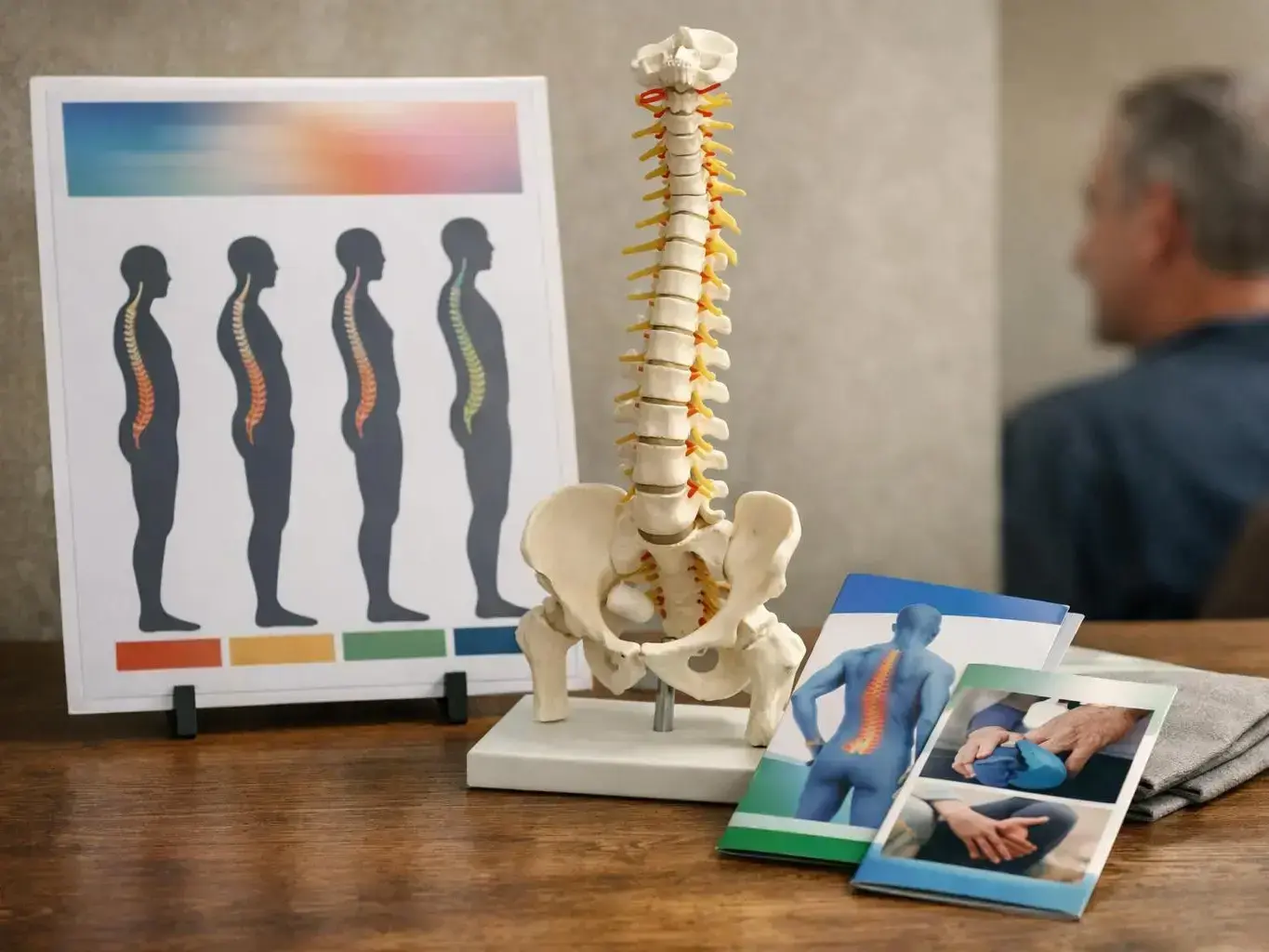
Understanding Adjustment
An adjustment is a hands-on fix. It's also called a chiropractic (back) manipulation. A licensed chiropractor does it.
Related glossary terms: Chiropractic Adjustment, Chiropractic Manipulation, Spinal Adjustment.
They use quick, controlled force. This helps a joint that isn't moving right. It restores normal motion.
Adjustments cut pain. They also help joints work better. Most are done on the spine.
But they can also help shoulders, hips. And knees. They work on other joints too.
A stuck joint can hurt. It can feel stiff. It may affect muscles and nerves nearby.
An adjustment helps joints move right. This lets the body heal naturally. No surgery or medicine is needed.
Most people feel better right away. Some may feel mild soreness. It goes away fast.
How Adjustment Works?
Chiropractors use different ways to adjust. The most common way is with their hands.
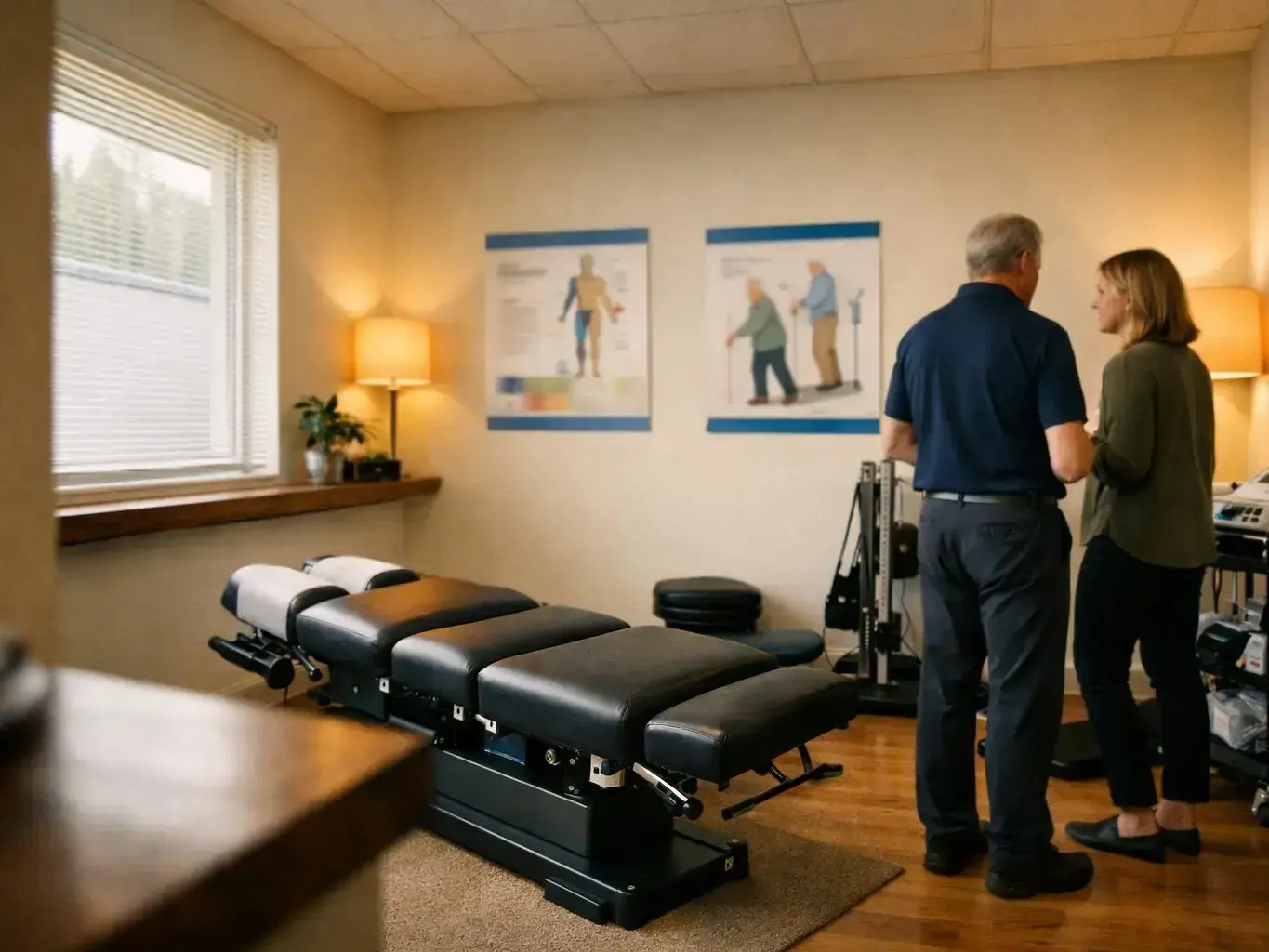
The patient lies on a padded table. The chiropractor moves them into position. They target the joint that needs help.
They give a quick, gentle push. It may make a popping sound. This sound is normal.
The sound comes from gas bubbles. They pop in the joint fluid. It's like cracking your knuckles.
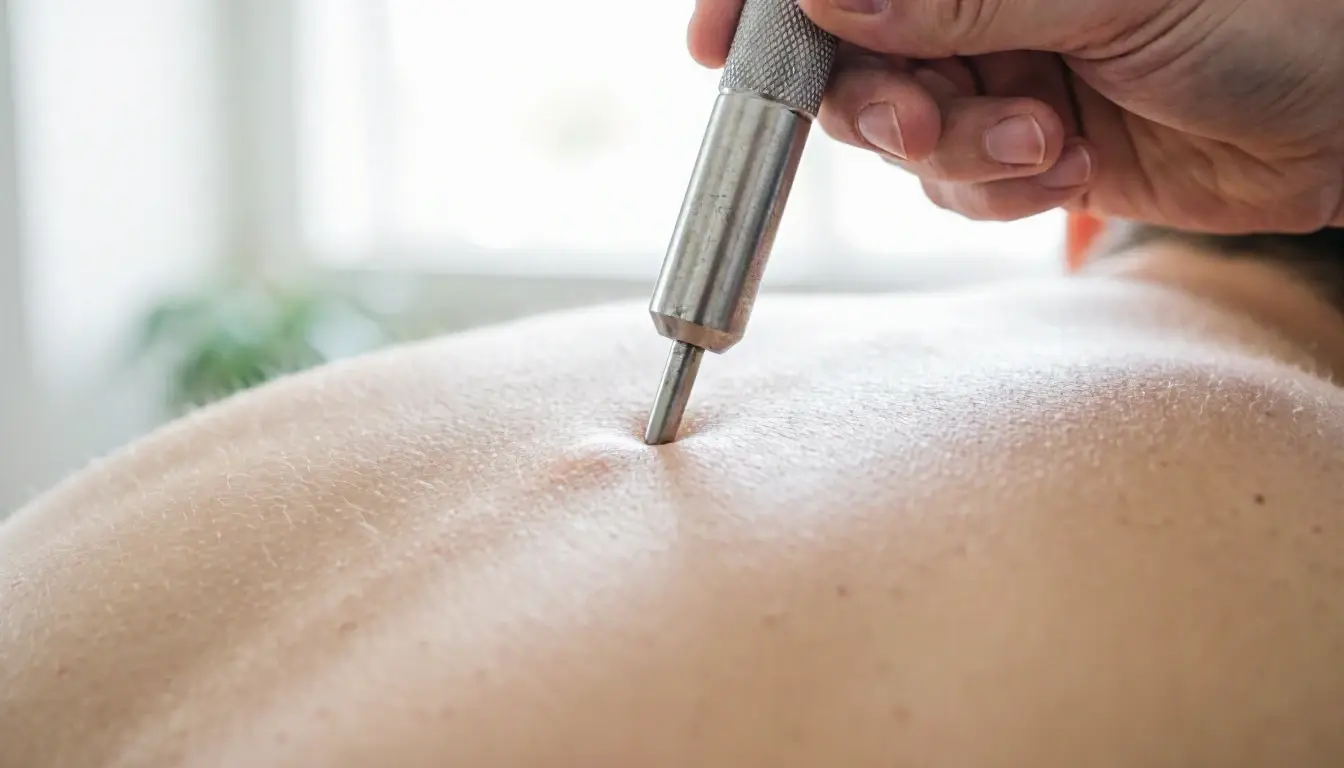
Some chiropractors use tools. One tool is called an activator. It gives a precise push.
Others use special tables. The technique depends on the patient. Their age, health. And comfort matter.
It also depends on the chiropractor's training. Adjustments fit each person. They're safe and work well.
They help with back pain, neck pain. And headaches. They also help stiff joints.
Why Adjustment Matters?

Adjustments help your body work best. Stuck joints can cause pain. They can also limit movement.
Bad joints can cause other problems. A stiff lower back may change how you walk. This can hurt your knees or hips.
Adjustments fix joint movement. This stops other problems. It helps your whole body stay healthy.
Studies show adjustments work. They help with back pain, neck pain. And headaches.
Many people need less medicine. They may not need surgery. Adjustments are drug-free and safe.
They are a natural way to manage pain. People choose them to feel better. They want a better life.
When Adjustment Matters Most?
Adjustments help with sudden or long-term pain. Pain comes from joints that don't work right.
They help after small injuries. Car accidents or sports mishaps can cause pain. Adjustments can help.
They also help with long-term issues. Arthritis or strain can cause pain. Adjustments may be recommended.
They help with headaches and sciatica. Pain can spread to arms or legs. This happens when nerves get irritated.
Adjustments aren't just for pain. Many people get them to stay healthy. They help keep your spine strong.
They improve posture. They stop future problems. Athletes, office workers. And seniors use them.
But they aren't for everyone. People with bone diseases may not qualify. Those with severe osteoporosis shouldn't get them.
Spinal cord problems may also rule them out. A chiropractor should check first. They'll make sure it's safe.