How is a work injury evaluated?
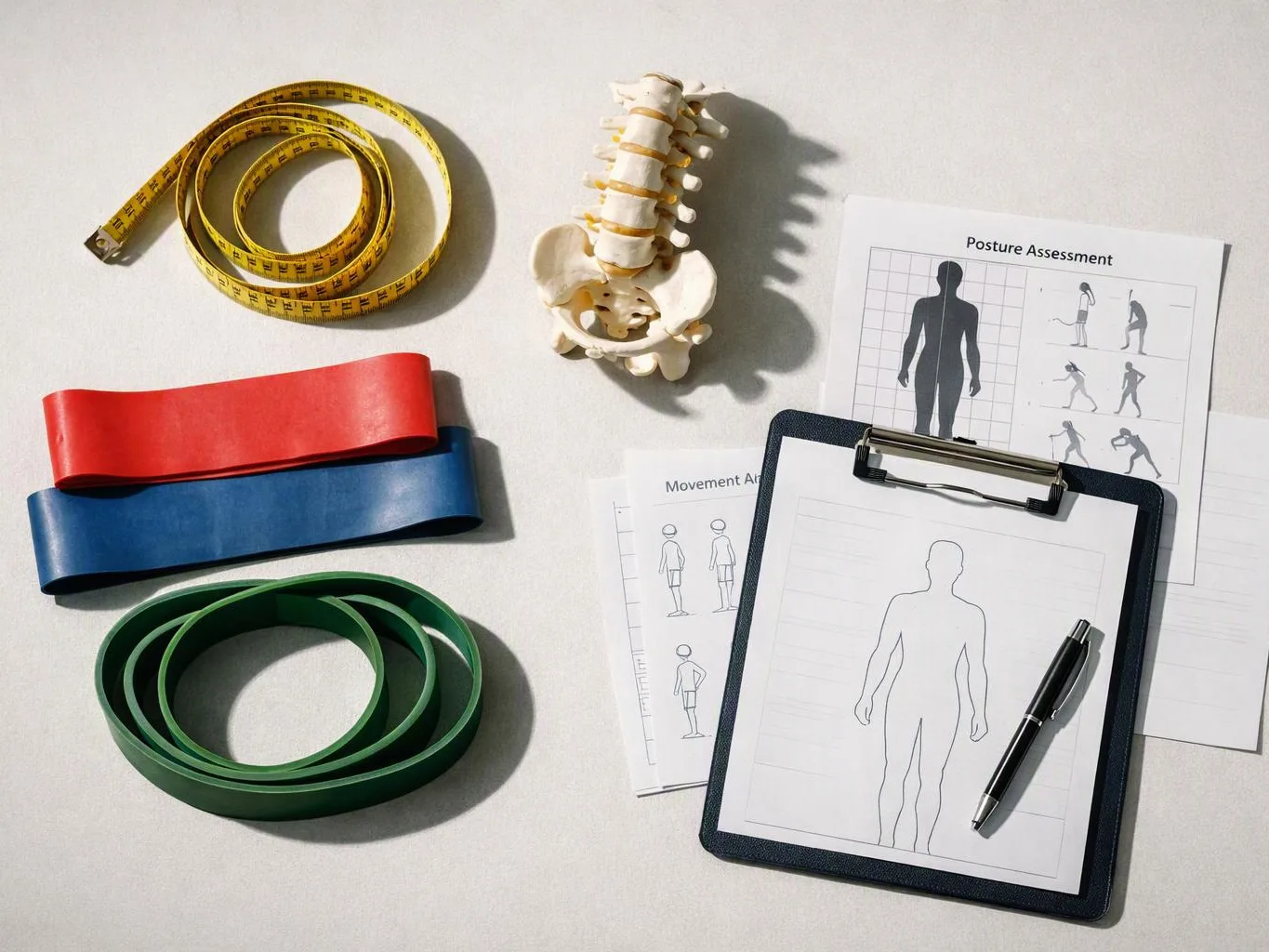
Posture evaluation is part of the first work injury assessment, and Advanced Injury Care Clinic connects it with movement, pain patterns, and function. The visit also reviews the incident, health history, and diagnostic needs. X-rays may be considered when clinically indicated. The findings guide a personalized treatment plan and documented progress.
What should I bring to my first workplace injury visit?
Incident details, symptom notes, and relevant medical records help our team assess the injury. Bring the date and description of the workplace event, current pain areas, prior injuries, and any reports you received. A clear account of work tasks that now feel difficult can also support the evaluation.
Which details change the cost of injury care?
The evaluation, treatment methods, diagnostic needs, and record requirements shape the cost of injury care. A simple visit may need a different plan than a case involving ongoing symptoms or medical review. We discuss your needs during a free initial consultation, but we do not state a price without assessing the care involved.
When should I seek care after a workplace injury?
Prompt evaluation makes sense when pain, stiffness, weakness, or limited movement follows a workplace incident. Early records can connect the reported event with the symptoms found during care. Seek emergency medical attention for severe bleeding, loss of consciousness, chest pain, or sudden loss of strength.
Why might back pain continue after treatment starts?
Back pain may continue when movement limits, tissue irritation, or work demands still affect function. Our team reviews progress, symptoms, and treatment findings as care continues. Individual response differs, so the plan may need adjustment after a progress re-examination. Tell us about new symptoms or changes in your work duties.
Can work injury care include injury documentation?
Yes, injury documentation is part of the support we provide for workplace and personal injury cases. Records may describe reported symptoms, exam findings, treatment, and progress. Customers should share accurate incident details and tell us which work tasks cause trouble, so the record reflects the care discussion.
How does chiropractic care differ from medical evaluation?
Chiropractic care focuses on movement, joint function, and musculoskeletal treatment, while medical evaluation reviews broader diagnostic needs. Both perspectives can inform a work injury plan when they fit the patient’s condition. Our team may consider imaging or referral needs when the exam raises concerns beyond routine chiropractic care.