Symptoms After a Car Accident That Shouldn’t Be Ignored
Chiropractic injury evaluation helps identify post-accident symptoms that may need care, and Advanced Injury Care Clinic checks the injury pattern before recommending appropriate treatment.
Request an EstimateWhy Symptoms Can Appear After a Collision
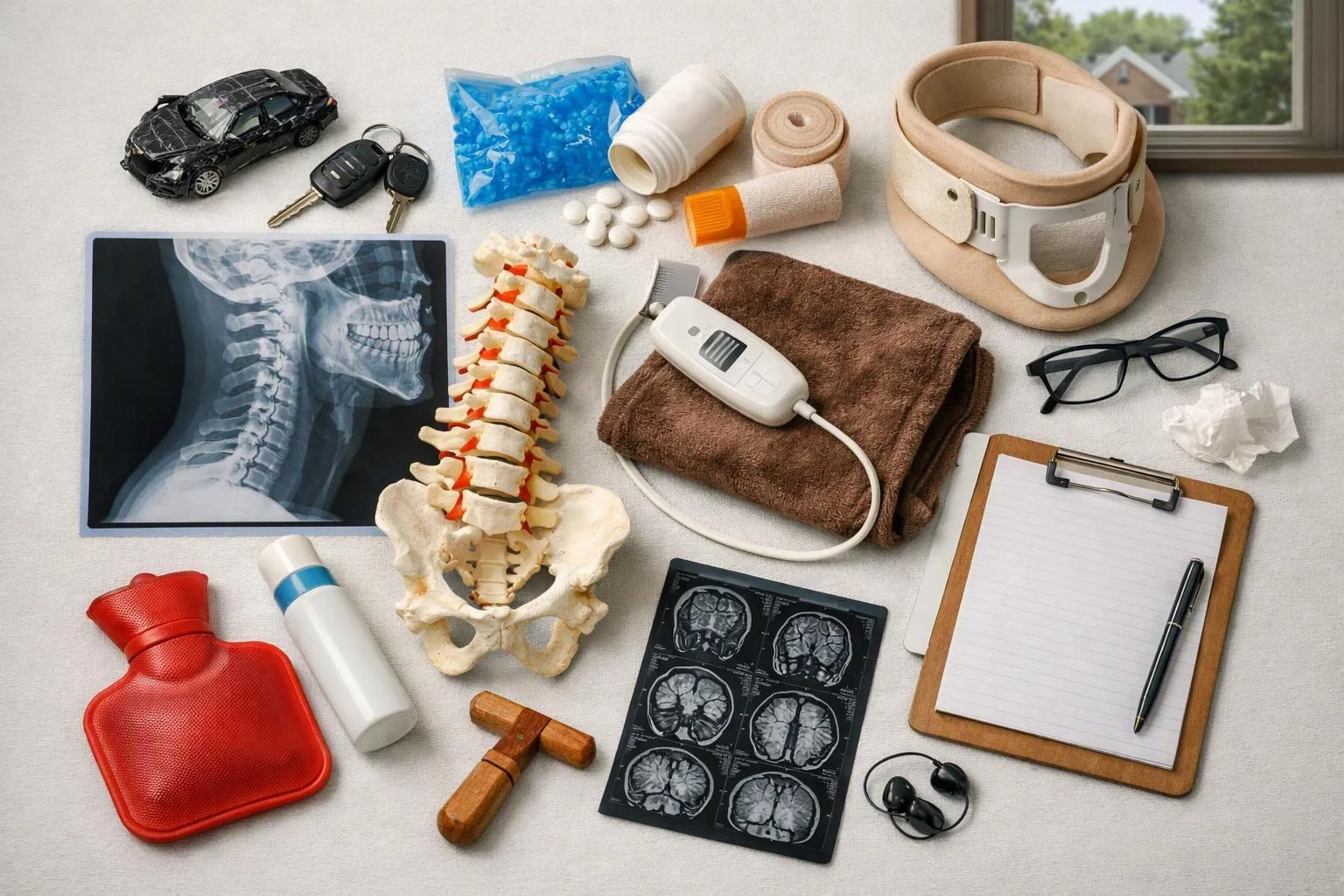
A car accident can place sudden force on the neck, spine, shoulders, and back. That force may affect the musculoskeletal system even when there is no immediate pain.
A soft-tissue injury involves muscles, ligaments, tendons, or other supporting tissues. Whiplash is one type of neck injury that can develop when the head moves quickly backward and forward. Inflammation, muscle strain, and changes in joint movement can make symptoms more noticeable later.
We look at the full injury pattern because post-accident symptoms may involve more than one area. Our evaluation helps connect pain, stiffness, reduced movement, and nerve irritation to the collision.
Warning Signs After a Car Accident That Should Not Be Ignored
Warning signs after a car accident include changes in pain, sensation, balance, movement, and sleep. We recommend prompt evaluation when symptoms persist, worsen, or interfere with normal activities.
Severe weakness, loss of coordination, trouble speaking, fainting, severe chest pain, serious breathing problems, or suspected head or spinal injury require emergency medical care. Call emergency services when symptoms appear life-threatening.
Can Neck Pain and Headaches Start Later?
Yes, neck pain and headaches can develop after the collision, so delayed symptoms still deserve medical attention when they persist, worsen, or affect normal movement.
Delayed pain can occur as inflammation develops or as the body responds to a muscle strain. Whiplash symptoms may include neck pain, stiffness, headache, shoulder tension, and reduced range of motion.
Headache and dizziness can also occur with concussion symptoms or another injury that needs medical review. We ask about the timing and pattern of each symptom so the next step is appropriate.
When Should You See a Chiropractor After a Car Accident?
You should arrange a chiropractic evaluation when accident-related pain, stiffness, headaches, or movement changes persist or worsen, while severe neurological or life-threatening symptoms require emergency medical care.
A post-accident assessment can be useful when pain continues, restricted movement affects daily tasks, or symptoms spread into an arm or leg. Numbness, tingling, radiating pain, and unusual weakness should receive prompt medical attention.
People without immediate pain can still monitor for delayed symptoms. If discomfort or movement changes appear, our team can review the injury history and determine whether chiropractic care fits the situation.
What We Check During an Auto Accident Injury Evaluation
Advanced Injury Care Clinic checks your medical history, accident mechanism, symptoms, and physical findings during an auto accident injury evaluation. We use those details to understand how the collision may have affected your body.
Our physical examination may include range of motion, muscle tension, tenderness, posture, spinal alignment, and signs of nerve irritation. We compare movement and symptoms across the affected areas to identify patterns that need attention.
We then explain the findings and discuss a care plan suited to the injury assessment. When another type of medical evaluation is more appropriate, we direct the next step toward that need.
What You Can Do Yourself Versus When to Call Us
Self-monitoring is reasonable for mild symptoms that are improving and do not involve neurological changes. Activity modification and symptom tracking can help you notice whether pain or movement changes are settling or becoming more concerning.
Call us for a chiropractic evaluation when symptoms continue, worsen, or interfere with normal movement. Our team uses the symptom pattern and examination findings to guide auto accident injury treatment.
| Factor | What you can do yourself | What we do |
|---|---|---|
| Mild discomfort | Notice changes and avoid activities that increase pain. | Review the symptoms and decide whether an evaluation is appropriate. |
| Activity changes | Use activity modification and return to normal movement gradually as tolerated. | Assess movement and explain safe care options. |
| Persistent or worsening symptoms | Track when symptoms occur and which activities affect them. | Perform an injury assessment and create an appropriate care plan. |
| Neurological or emergency warning signs | Seek emergency medical care for severe or life-threatening symptoms. | Help determine whether chiropractic care is suitable after urgent medical needs are addressed. |
How Chiropractic Care Supports Recovery After a Collision
Auto accident injury treatment supports recovery by addressing movement limits, soft-tissue irritation, and changes in function. Our team builds care around the findings from the examination.
Chiropractic care may focus on spinal mobility, soft-tissue care, and therapeutic exercise. These approaches can help reduce strain, support pain management, and improve how the body handles normal movement.
Functional recovery means returning to daily activities with better comfort and control. We monitor your response and adjust the care plan when your symptoms or movement change.
What to Bring to Your Chiropractic Evaluation
Useful information helps us connect your current symptoms to the collision and complete a focused evaluation. Bring the following items when they are available.
Contact us if you are unsure which records to bring. We can explain what information will help our team understand your post-accident symptoms.
Questions About Symptoms After a Car Accident
Can whiplash symptoms appear days after a car accident?
Yes, whiplash symptoms can appear after a delay, and Advanced Injury Care Clinic can evaluate neck pain, stiffness, headache, and reduced movement when they develop.
Should I see a chiropractor if I have no pain after a collision?
You do not always need chiropractic care when you have no symptoms, but delayed pain and movement changes can develop after a collision. Monitor how you feel and arrange an evaluation if symptoms appear or affect normal activity.
What symptoms after a car accident require emergency medical care?
Severe weakness, loss of coordination, trouble speaking, fainting, severe chest pain, serious breathing problems, or suspected head or spinal injury require emergency medical care.
Get Help With Post-Accident Symptoms
Advanced Injury Care Clinic evaluates pain, stiffness, headaches, movement changes, and other symptoms after a car accident. Contact us to arrange a chiropractic evaluation and discuss the next step for your injury.
Get a Free Estimate