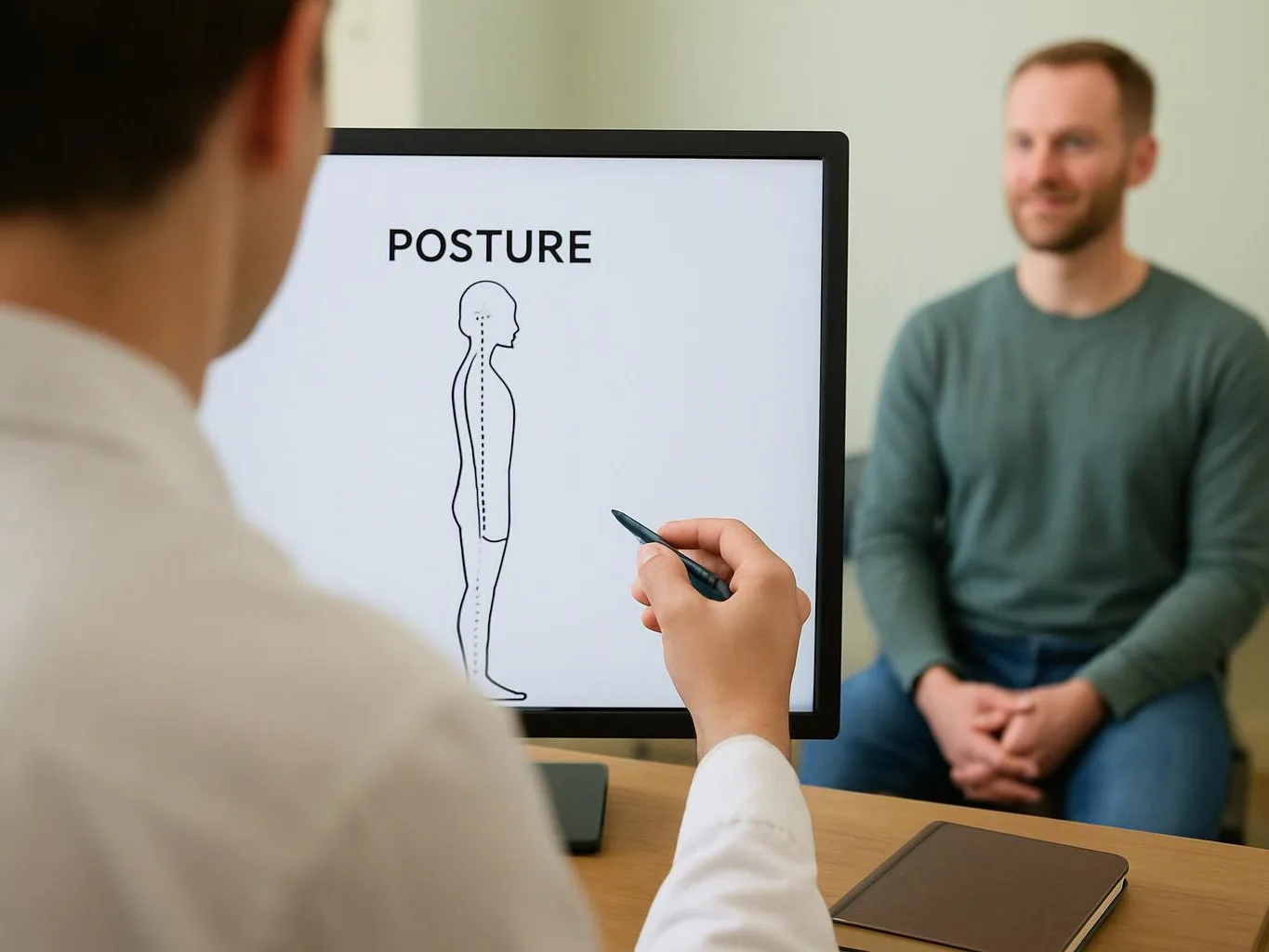
Chiropractic Care After an Auto Accident: Evaluation, Treatment, and Documentation
Chiropractic care after an auto accident helps evaluate musculoskeletal injuries, guide individualized treatment, and document clinical findings; Advanced Injury Care Clinic performs this work through examination, care planning, progress evaluation, and organized records.
Request an EstimateWhat Injuries Can Chiropractic Care Address After an Auto Accident?
Chiropractic care can address musculoskeletal problems such as neck pain, back pain, whiplash-related symptoms, restricted movement, and soft-tissue irritation after an auto accident.
An auto accident injury can affect the muscles, ligaments, joints, and other parts of the musculoskeletal system. We assess how the crash may have affected movement and daily function.
Common concerns include neck stiffness, back stiffness, muscle tension, joint dysfunction, and pain with normal activity. Our team connects your symptoms with the physical examination so the treatment plan matches your needs.
Can Chiropractic Care Help With Whiplash?
Yes, chiropractic care can help evaluate and manage whiplash-related neck symptoms by assessing movement, tenderness, muscle tension, and related spinal function.
Whiplash involves strain affecting the cervical spine and nearby muscles and soft tissues. Symptoms may include neck pain, headache, reduced range of motion, and muscle tension.
We use the examination findings to guide care that may include gentle spinal mobilization, soft-tissue treatment, and activity guidance. We also monitor changes in symptoms and function as care progresses.
What Happens During a Chiropractic Evaluation After a Car Accident?
A chiropractic evaluation after a car accident reviews the crash history and symptoms, examines affected body regions, screens relevant function, and uses the findings to guide care.
The evaluation gives our team a starting point for treatment and progress monitoring. It also creates a clear record of the crash-related injury and functional limitations.
How Is Chiropractic Treatment Planned After an Auto Accident?
Chiropractic treatment is planned around the patient’s examination findings, symptoms, functional limitations, and response to care.
Our team may use spinal manipulation, spinal mobilization, therapeutic exercise, or soft-tissue treatment when those approaches fit the clinical findings. We explain the purpose of each part of care and adjust the plan as your symptoms change.
Activity guidance can help you manage daily movement while irritated tissues recover. We track symptom progression, range of motion, and function to support informed treatment decisions.
Our approach may also include education about related care options, such as the techniques described in Chiropractic Adjustments: Techniques, Benefits, and What to Expect, when that information helps you understand your plan.
How Does Chiropractic Documentation Support an Auto Accident Claim?
Clinical documentation supports an auto accident claim by recording the reported incident, clinical findings, treatment provided, progress, and ongoing functional limitations.

Our records can include your medical history, examination findings, diagnosis, treatment plan, and response to care. Progress notes show how symptoms and function change during treatment.
Clear documentation helps explain the relationship between the collision, the reported symptoms, and the care provided. It can support questions about causation, medical necessity, and the effect of the injury on normal activities.
These records may become part of your insurance claim documentation. We organize clinical information so it can be reviewed with other medical records and accident documents.
What Records Should You Keep After Starting Chiropractic Care?
Keeping organized records helps you track care, describe symptom progression, and respond to questions about your auto accident claim.
Save the following records in a secure place and share relevant information with the people handling your claim:
Can Chiropractic Treatment Be Included in an Auto Accident Claim?
Yes, chiropractic treatment may be included in an auto accident claim when the care is related to the collision and the clinical records clearly document the evaluation, treatment, and progress.
Medical necessity and causation are considered with the full record of the crash and the resulting symptoms. Our documentation connects the reported injury with examination findings, treatment decisions, and functional limitations.
An insurance adjuster may request treatment records or other claim documentation. We provide accurate clinical records according to appropriate authorization and record-sharing requirements.
When Should You Seek Chiropractic Evaluation After an Auto Accident?
You should seek a post-accident evaluation when pain, stiffness, reduced movement, headache, numbness, weakness, dizziness, or other symptoms develop or persist.
Delayed symptoms can appear after the initial stress of a car accident has settled. Tell our team when symptoms began, how they have changed, and which activities make them worse.
Severe or worsening symptoms may require prompt medical attention. We use the examination and neurological screening to help determine the appropriate next step for your care.
How Advanced Injury Care Clinic Coordinates Evaluation, Treatment, and Documentation
Advanced Injury Care Clinic coordinates clinical evaluation, Auto Accident Injury Treatment, and organized treatment documentation for people recovering from a motor vehicle collision.
We begin by reviewing your patient history and examining the affected areas. Our team then builds a treatment plan around your symptoms, physical findings, spinal function, and functional limitations.
We monitor progress during care and update the clinical record when symptoms, range of motion, or activity tolerance change. Our approach supports both recovery decisions and clear claim documentation.
Contact us to discuss your post-accident symptoms and care needs.
Questions About Chiropractic Care After an Auto Accident
Do symptoms always appear immediately after a car accident?
Symptoms do not always appear immediately after a car accident. Advanced Injury Care Clinic asks about delayed pain, stiffness, headaches, dizziness, numbness, weakness, and changes in movement during the evaluation.
What should I tell the chiropractor about my auto accident?
Tell the chiropractor how the collision happened, which body areas were affected, when symptoms began, and how symptoms affect daily activities. Share relevant medical history, accident documents, and information about care received after the crash.
What symptoms should be documented after a collision?
Document pain, stiffness, headaches, dizziness, numbness, weakness, restricted movement, muscle tension, sleep disruption, and changes in work or daily activities. Include when each symptom occurs and whether it changes over time.
Can chiropractic records be shared with an insurance company?
Chiropractic records can be shared with an insurance company when appropriate authorization and record-sharing requirements are met. The records may include the accident history, examination findings, diagnosis, treatment, progress notes, and functional limitations.
What happens if my symptoms change during treatment?
Our team reassesses changing symptoms and updates the treatment plan when the clinical findings support a change. Tell us about new, worsening, or improving symptoms so we can document the change and guide the next step.