Spinal Decompression Therapy: How It Works and Who May Be a Candidate
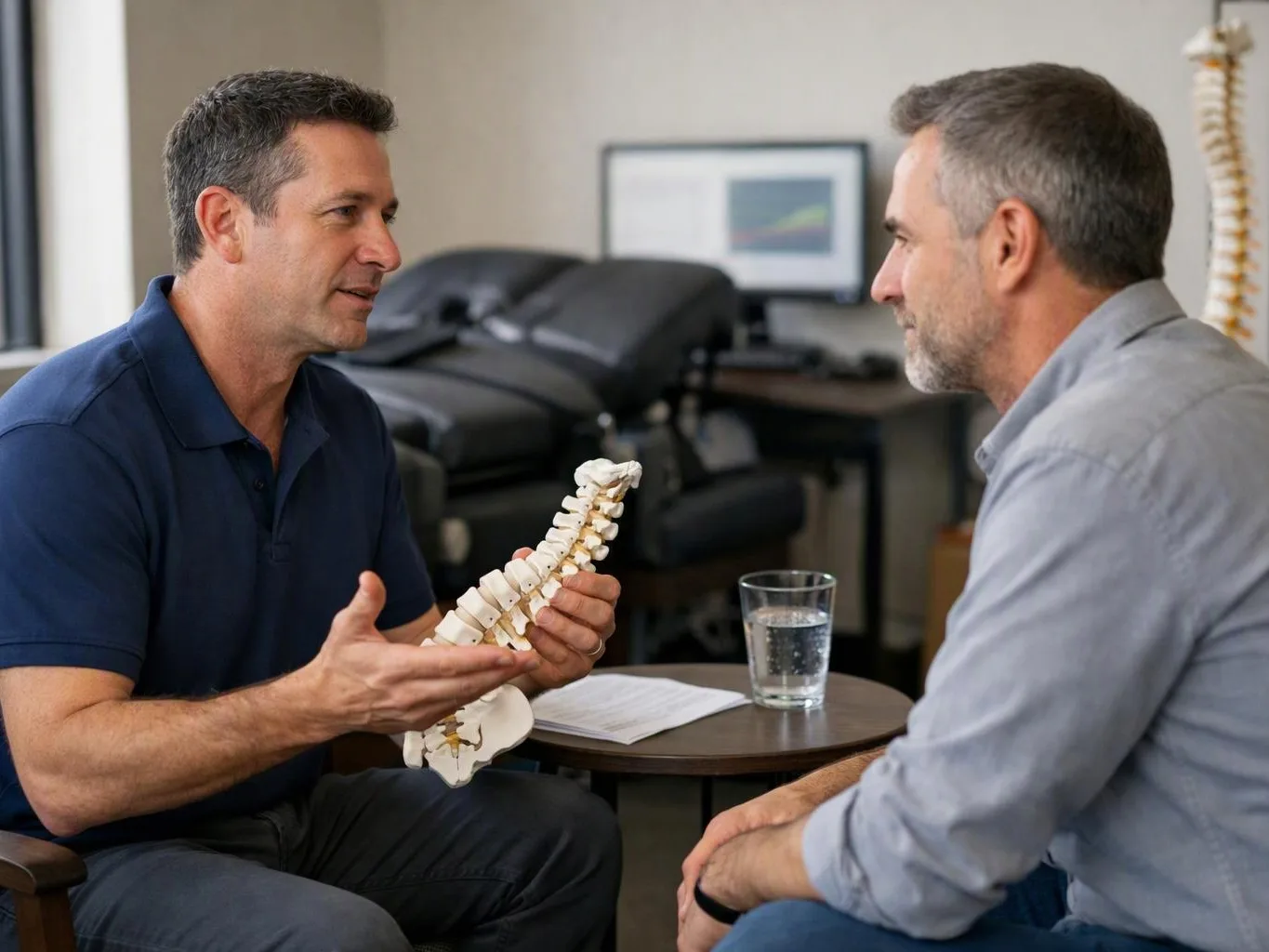
Spinal decompression therapy is a non-surgical chiropractic approach that uses controlled spinal unloading to address selected pressure-related symptoms. At Advanced Injury Care Clinic, we review your symptoms, health history, and examination findings to decide whether this therapy fits your needs.
Request an EstimateWhat Is Spinal Decompression Therapy?
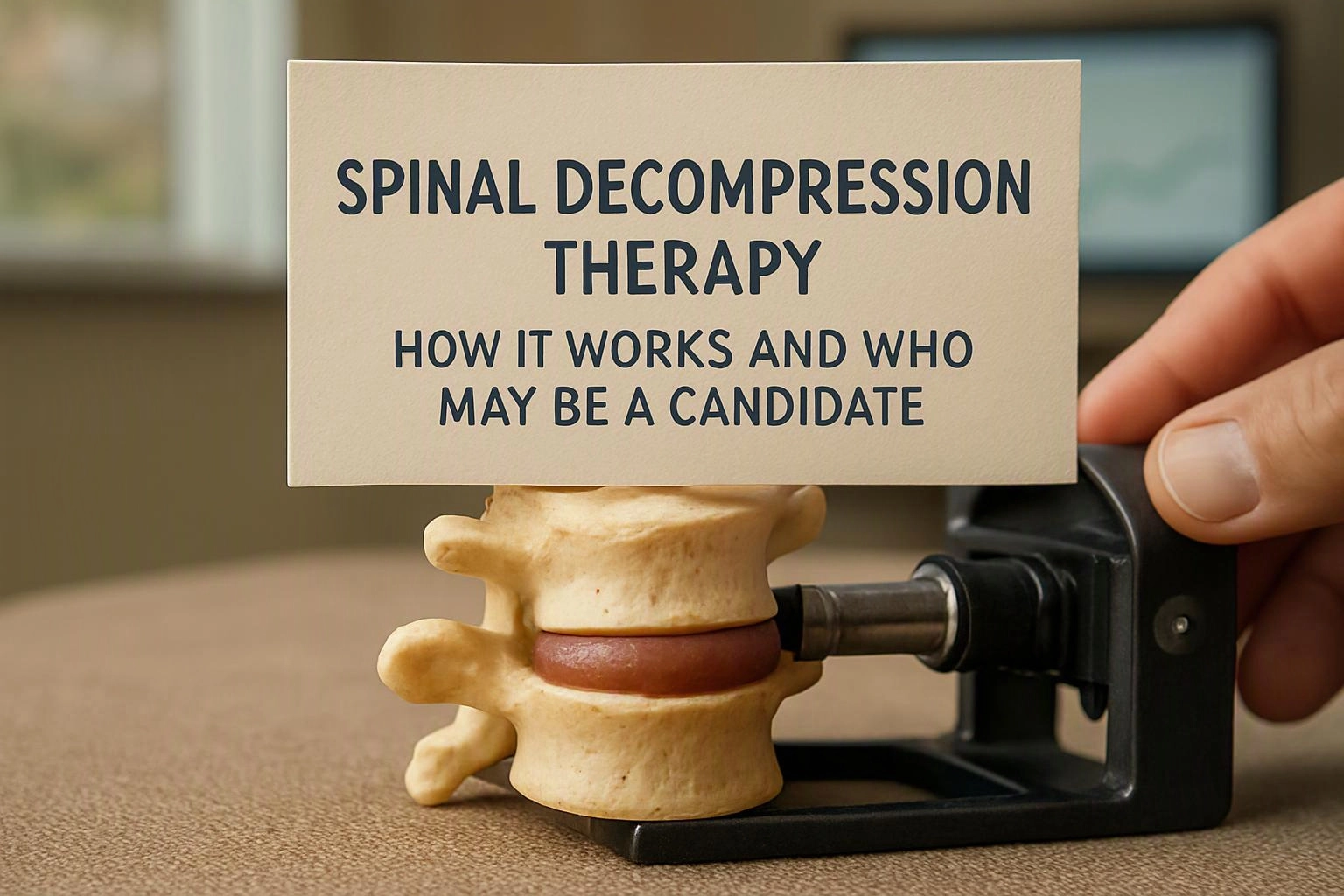
Spinal decompression therapy is a non-surgical chiropractic treatment that uses controlled, computer-assisted or manual unloading to reduce mechanical stress on selected areas of the spine.
This form of chiropractic care uses spinal unloading as part of conservative care. Depending on the treated region and clinical findings, care may involve cervical decompression, lumbar decompression, computer-assisted spinal decompression, or manual spinal distraction.
How Does Spinal Decompression Therapy Work?
Spinal decompression therapy works by applying controlled cycles of spinal unloading while we position and monitor the treated region.
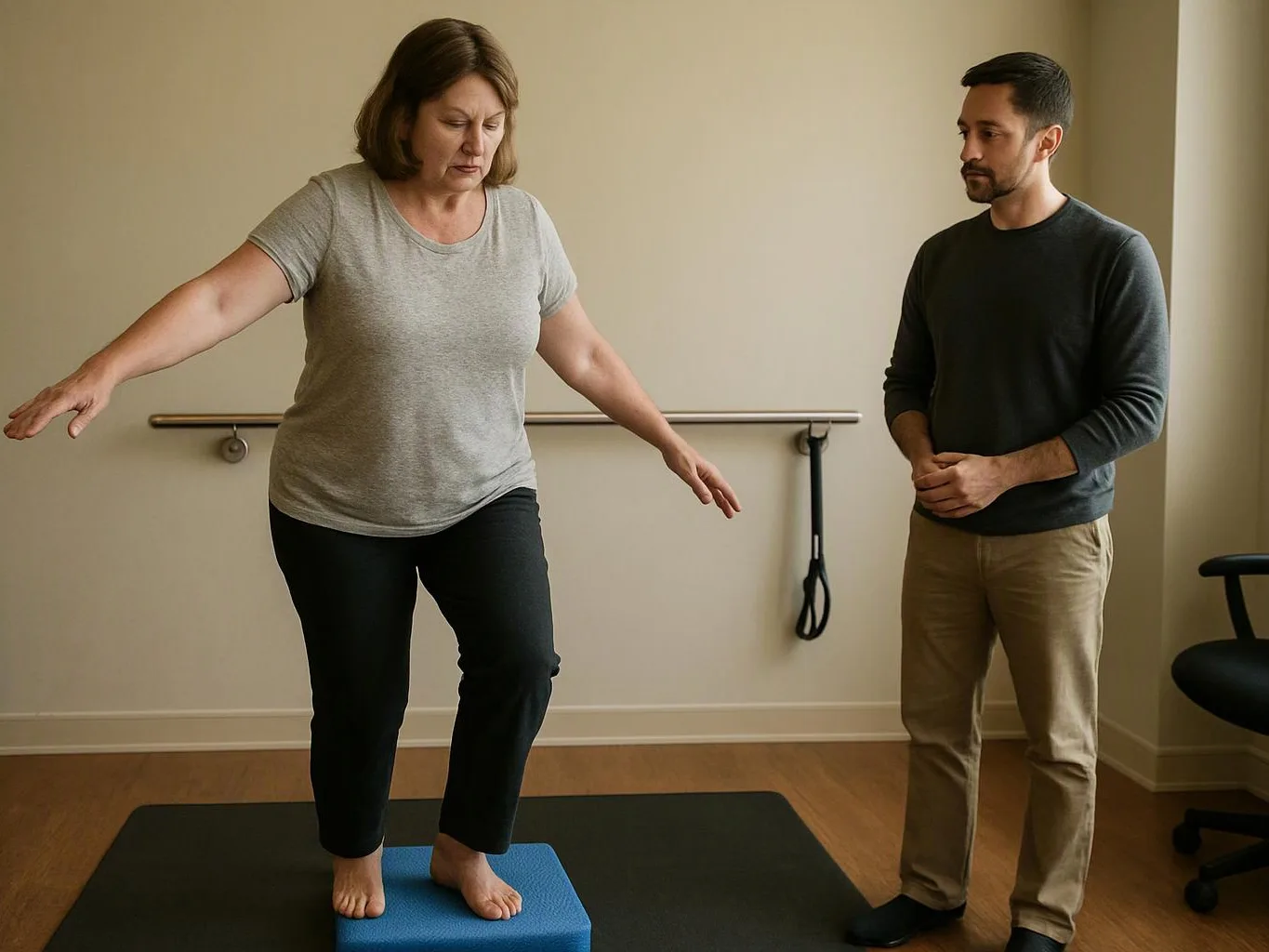
We use treatment positioning to focus spinal traction on the relevant area. We also monitor symptom response and treatment tolerance throughout care.
What Benefits May Spinal Decompression Therapy Provide?
Spinal decompression therapy may help selected patients manage pressure-related back or neck symptoms, including discomfort that radiates into an arm or leg.
Potential goals may include easing back pain, neck pain, radiating pain, and disc-related symptoms. Some patients also seek care to support mobility when spinal discomfort limits normal movement.
Results depend on the underlying condition, symptom pattern, and individual response. We use your treatment response to guide the care plan.
Does Spinal Decompression Therapy Work for Everyone?
Spinal decompression therapy does not work for everyone because suitability depends on the underlying condition, symptom pattern, health history, and examination findings.
Our clinical examination helps us decide whether controlled distraction matches your needs. We may recommend a different form of chiropractic treatment or another evaluation when the findings do not support decompression care.
Who May Be a Candidate for Spinal Decompression Therapy?
A person may be a candidate for spinal decompression therapy when the symptoms and examination findings suggest that controlled spinal unloading could be appropriate.
Candidate screening considers possible disc herniation, degenerative disc changes, sciatica, spinal stenosis, and other causes of spinal symptoms. We also screen for contraindications that may make this approach unsuitable.
| Clinical consideration | Why it matters | What we review |
|---|---|---|
| Symptom pattern | Symptoms can indicate whether spinal unloading is relevant. | Location, triggers, radiation, and changes over time |
| Suspected spinal condition | The underlying condition affects whether this approach fits. | Relevant history, examination findings, and available imaging |
| General health | Some health factors may make decompression unsuitable or require a different plan. | Medical history, prior procedures, medications, and current health status |
| Response and tolerance | Your response helps determine whether continuing care is appropriate. | Comfort during treatment and changes in symptoms |
What Does Spinal Decompression Therapy Feel Like?
Spinal decompression therapy commonly feels like a controlled pulling or stretching sensation, and we adjust the approach if treatment causes discomfort.
Treatment positioning may include a treatment table or support harness that helps focus the force on the intended spinal region. You should tell us about pain, unusual pressure, or other changes so we can protect patient comfort and review your symptom response.
How We Decide Whether This Therapy Fits Your Needs
Advanced Injury Care Clinic reviews your symptoms, examination findings, health history, and goals before recommending spinal decompression therapy.
Our clinical consultation connects the examination findings to your treatment goals. We explain the care plan clearly so you understand why the approach may fit your symptoms.
When Should You Seek a Different Evaluation First?
Spinal decompression therapy should not replace timely medical evaluation when symptoms suggest a serious or urgent spinal condition.
Red-flag symptoms may include sudden or worsening neurological changes, significant weakness, loss of bladder or bowel control, or symptoms after serious trauma. We will pause treatment planning and direct the next step toward medical evaluation when the findings raise a safety concern.
Serious spinal conditions require the right evaluation before conservative care begins. Share all new or changing symptoms with our team so we can assess treatment safety.
Questions About Spinal Decompression Therapy
Is spinal decompression therapy the same as spinal surgery?
Spinal decompression therapy is a non-surgical chiropractic treatment, while spinal surgery is an invasive medical procedure. Advanced Injury Care Clinic uses controlled spinal unloading after reviewing your symptoms and clinical examination findings.
Can spinal decompression therapy help with radiating leg or arm pain?
Spinal decompression therapy may help selected patients with radiating leg or arm pain when the symptom pattern and examination findings suggest a pressure-related spinal cause. We assess neurological symptoms, possible disc-related symptoms, and treatment tolerance before recommending care.
What should I tell the chiropractor before spinal decompression therapy?
Patients should share their current symptoms, medical history, prior procedures, medications, imaging, and any changes in neurological symptoms before spinal decompression therapy. This information helps us screen for contraindications and create a safe care plan.
Contact Advanced Injury Care Clinic to discuss your symptoms, candidacy, and treatment goals. We can explain whether spinal decompression therapy fits your needs and provide upfront pricing information.
Related Resources
Questions to Ask About Chiropractic Insurance and Payment
Brand vs BrandSpinal Decompression Therapy Providers Worth Comparing in Brentwood (2026)
Compared ToSpinal Decompression Therapy: Cost and Treatment-Plan Questions
Compared ToSpinal Decompression or Chiropractic Adjustment: What’s the Difference?