Chiropractic Care or Massage Therapy: Which Should You Book?
Chiropractic care or massage therapy depends on your main goal: Advanced Injury Care Clinic uses chiropractic care for joint and movement concerns, while massage therapy focuses on soft-tissue tension. Treatment goals, symptom response, timing, and maintenance needs guide the choice, and the approaches may complement each other when coordinated carefully.
Request an EstimateShould You Book a Chiropractor or Massage Therapist?
The right choice depends on whether your main concern involves joint and movement function or soft-tissue tension and relaxation.
Joint movement concerns may point toward a chiropractor. Stiffness, restricted motion, or discomfort linked to spinal joints can benefit from a movement-focused evaluation and chiropractic adjustment.
Musculoskeletal concerns that feel like muscle tightness, soreness, or soft-tissue tension may fit massage therapy. A massage therapist works with muscles, fascia, and other soft tissue to support relaxation and ease tension.
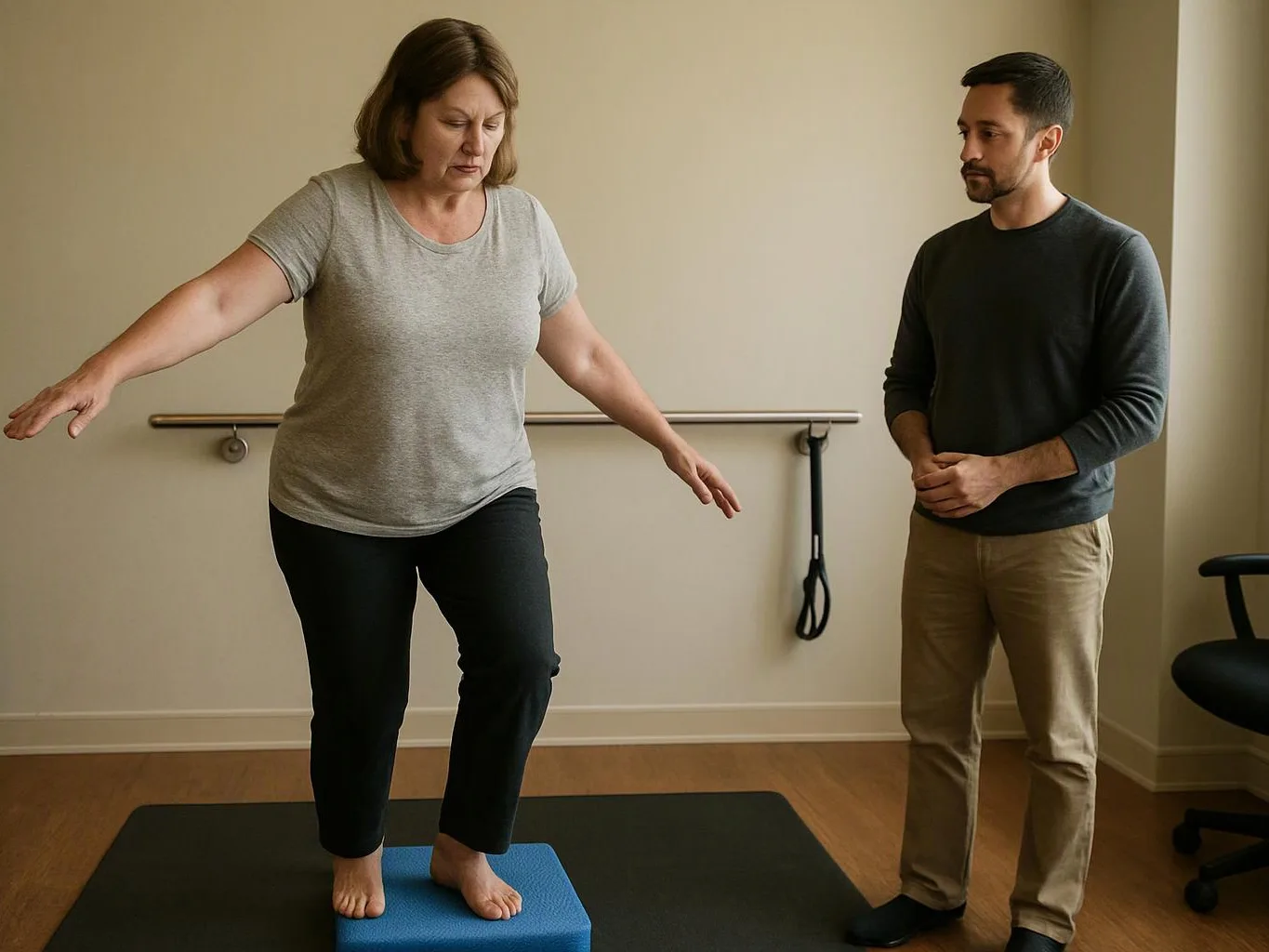
We begin by discussing your symptom history and goals. Our team then uses a movement assessment to help identify whether chiropractic care, massage therapy, or coordinated care better fits your needs.
Chiropractic Care vs. Massage Therapy at a Glance
Chiropractic care and massage therapy differ in their main treatment targets. The most useful comparison looks at the type of concern, the session goal, and how your symptoms respond.
Cost depends on treatment complexity, the services included, and the goals of the care plan. We explain what the recommended care includes and how to obtain an exact quote before treatment begins.
| Factor | Chiropractic Care | Massage Therapy |
|---|---|---|
| Cost drivers | Assessment needs, adjustment complexity, and the care plan | Session goals, soft-tissue focus, and treatment complexity |
| Treatment timeline | Based on movement findings and symptom response | Based on muscle tension, relaxation goals, and symptom response |
| Maintenance | May focus on movement habits and joint function | May focus on recurring muscle tightness and relaxation |
| Best use cases | Joint stiffness, movement-related discomfort, and spinal mobility concerns | Muscle tension, soft-tissue soreness, and relaxation |
As a quick guide, chiropractic care is usually the better fit for joint and movement concerns. Massage therapy is usually the better fit for muscle tension and relaxation.
What Chiropractic Care Is Best For
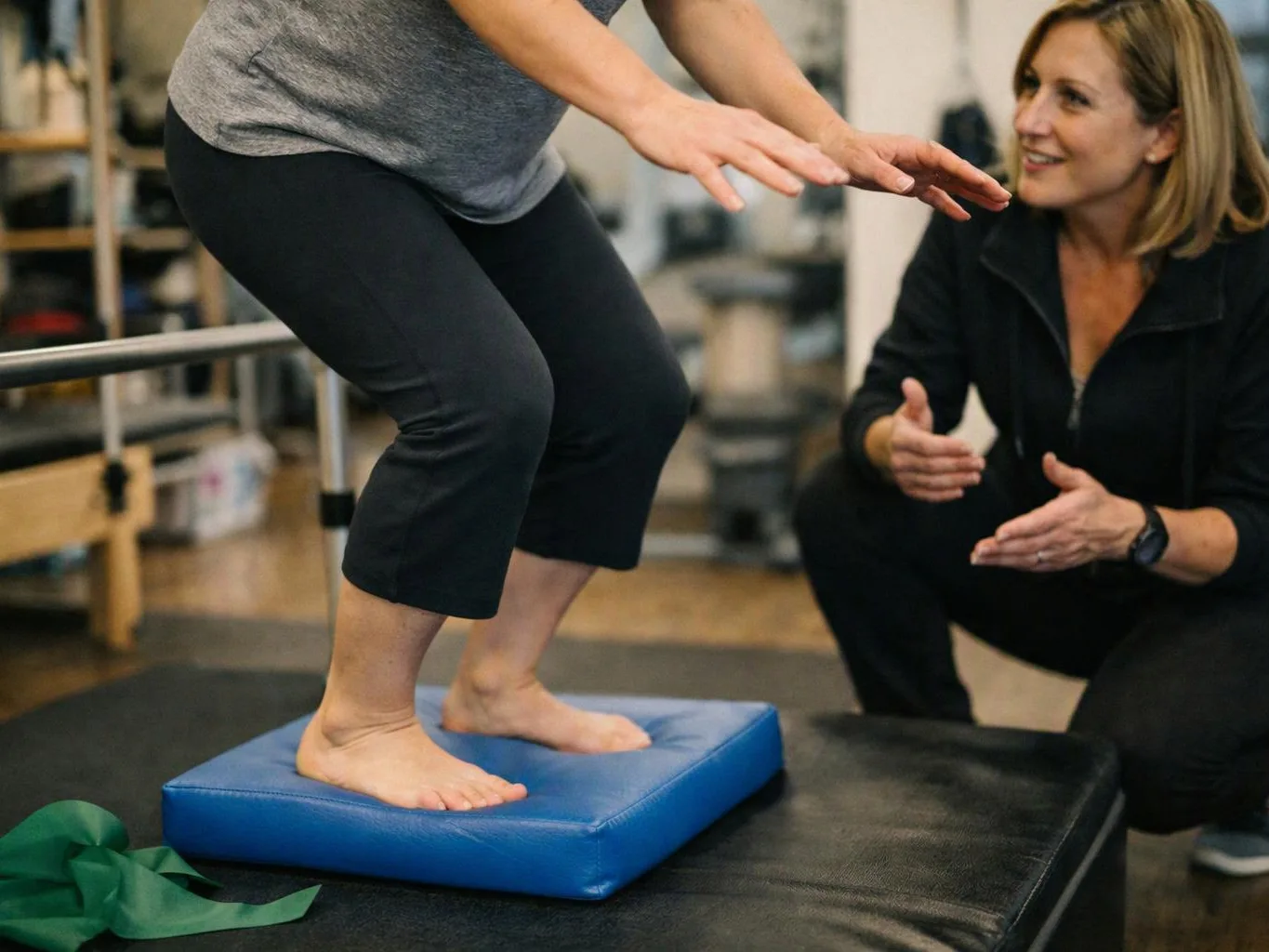
Chiropractic care is best suited to musculoskeletal concerns involving spinal joints, joint mobility, and movement patterns. A chiropractic adjustment uses controlled manual techniques to address how selected joints move.
Our team starts with a musculoskeletal assessment rather than choosing a technique based only on where discomfort is felt. We consider your history, posture, movement, and symptom response when shaping a care plan.
Chiropractic care may be appropriate when stiffness or discomfort changes with movement. The goal is to support useful joint motion and better function, not to treat every type of pain in the same way.
Our Chiropractic Adjustment service is planned around the findings from your evaluation.
Advantages of Chiropractic Care
Chiropractic care offers a movement-focused approach when joint function is part of the concern. Our team connects each recommendation to the findings from your assessment.
Best for: Chiropractic care is best for people whose main goal involves joint movement, spinal mobility, or movement-related discomfort.
What Massage Therapy Is Best For
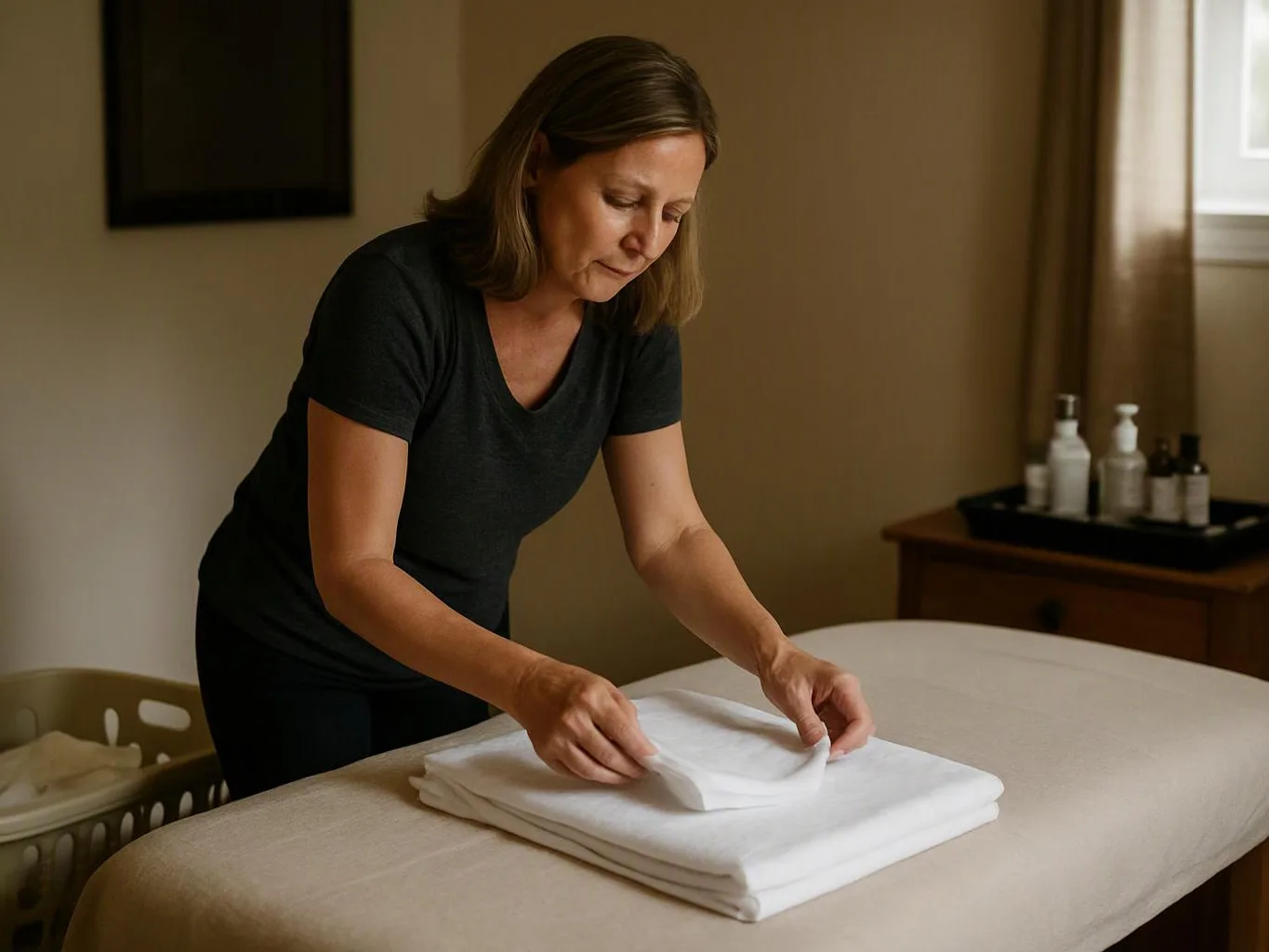
Massage therapy is best suited to muscle tension, soft-tissue soreness, and relaxation goals. Massage techniques work with muscles, fascia, and other soft tissue through pressure and hands-on movement.
Massage therapy may help you become more aware of areas that feel tight or overworked. It can also support relaxation and a comfortable sense of body awareness.
Our team considers the reason for the massage, the areas involved, and your response during and after the session. That information helps determine whether massage therapy fits your care plan or should be coordinated with another approach.
Advantages of Massage Therapy
Massage therapy offers a soft-tissue-focused approach for people who want help with muscle tightness, relaxation, or body awareness. The session goal should guide the techniques used.

Best for: Massage therapy is best for people whose main goal involves muscle tension, soft-tissue comfort, relaxation, or body awareness.
How Cost, Timing, and Maintenance Differ
Treatment cost depends on the complexity of the service, the session goals, and what the care plan includes. Chiropractic care may involve an assessment and adjustment plan, while massage therapy may vary with the soft-tissue focus and session goals.
Timing should follow the reason for care and your symptom response. We review how you respond after treatment and adjust the plan when the findings support a change.
Maintenance care also differs by goal. Chiropractic maintenance care may focus on movement habits and joint function, while massage maintenance may focus on recurring muscle tension and relaxation.
We explain the recommended services and cost drivers before care begins. To obtain an exact quote, contact our team through the contact page.
Can Chiropractic Care and Massage Therapy Be Used Together?
Yes, chiropractic care and massage therapy can be used together when their goals are compatible and the treatment plan accounts for the person's symptoms and response.
Combined care may pair a chiropractic adjustment for joint movement with massage therapy for muscle tension. The services should have clear roles instead of repeating the same goal without coordination.
Our team reviews your history, movement findings, and response to care before recommending when to combine treatments. We also communicate the purpose of each service so the care plan remains focused.
Massage before or after an adjustment is not the same choice for every person. The appropriate order depends on your symptoms, treatment goals, and how your body responds.
How We Help You Choose the Appropriate Care
We choose between chiropractic care, massage therapy, and combined care by matching your symptoms with the treatment goal. Our process keeps the recommendation tied to your movement and symptom findings.
When Should You Seek Additional Medical Evaluation?
Additional medical evaluation is appropriate when injury symptoms include severe pain, sudden changes, or neurological symptoms. Numbness, weakness, loss of coordination, or changes in bladder or bowel control need prompt medical attention.
We review treatment safety during the assessment and do not use manual care as a substitute for urgent medical evaluation. Seek emergency help for a serious injury or symptoms that feel sudden, severe, or life-threatening.
Tell our team about new or worsening symptoms before treatment. We use that information to decide whether care should continue, change, or wait for medical evaluation.
Questions About Chiropractic Care or Massage Therapy
Is massage therapy better than chiropractic care for muscle tension?
Massage therapy is usually the more direct fit for muscle tension because it focuses on muscles and other soft tissue. Advanced Injury Care Clinic also checks whether joint movement or another musculoskeletal concern contributes to the tension.
Is a chiropractor better for joint-related problems?
A chiropractor is usually the better fit for joint-related problems because chiropractic care includes movement assessment and joint-focused treatment. The appropriate plan still depends on your symptom history and evaluation findings.
Should you get a massage before or after a chiropractic adjustment?
Massage therapy can be scheduled before or after a chiropractic adjustment based on your symptoms, treatment goals, and response. Our team coordinates the order when combined care is appropriate.
Can chiropractic care and massage therapy help with the same problem?
Yes, chiropractic care and massage therapy can support different parts of the same problem when the care plan is coordinated. Chiropractic care may address joint movement, while massage therapy may address related muscle tension.
Contact Advanced Injury Care Clinic to discuss your symptoms, movement goals, and the care option that best fits your needs.