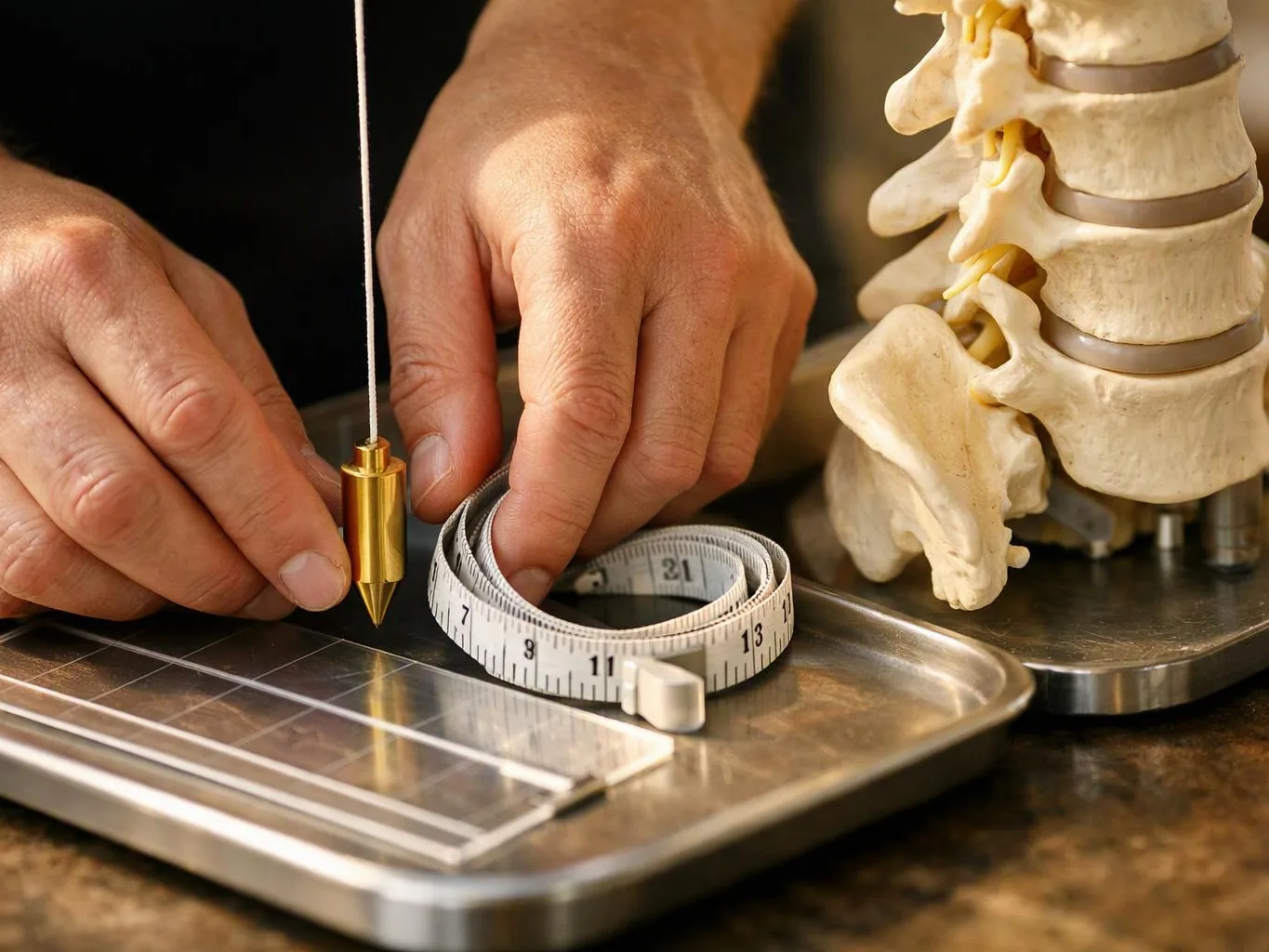
Jaw Pain and Clicking: When TMJ Symptoms Need Attention
A chiropractor for TMJ symptoms can assess jaw movement, neck tension, posture, and related pain to guide care. Advanced Injury Care Clinic checks these connected areas and explains whether TMJ treatment fits your symptoms.
Request an EstimateWhat Do Jaw Pain and Clicking Mean?
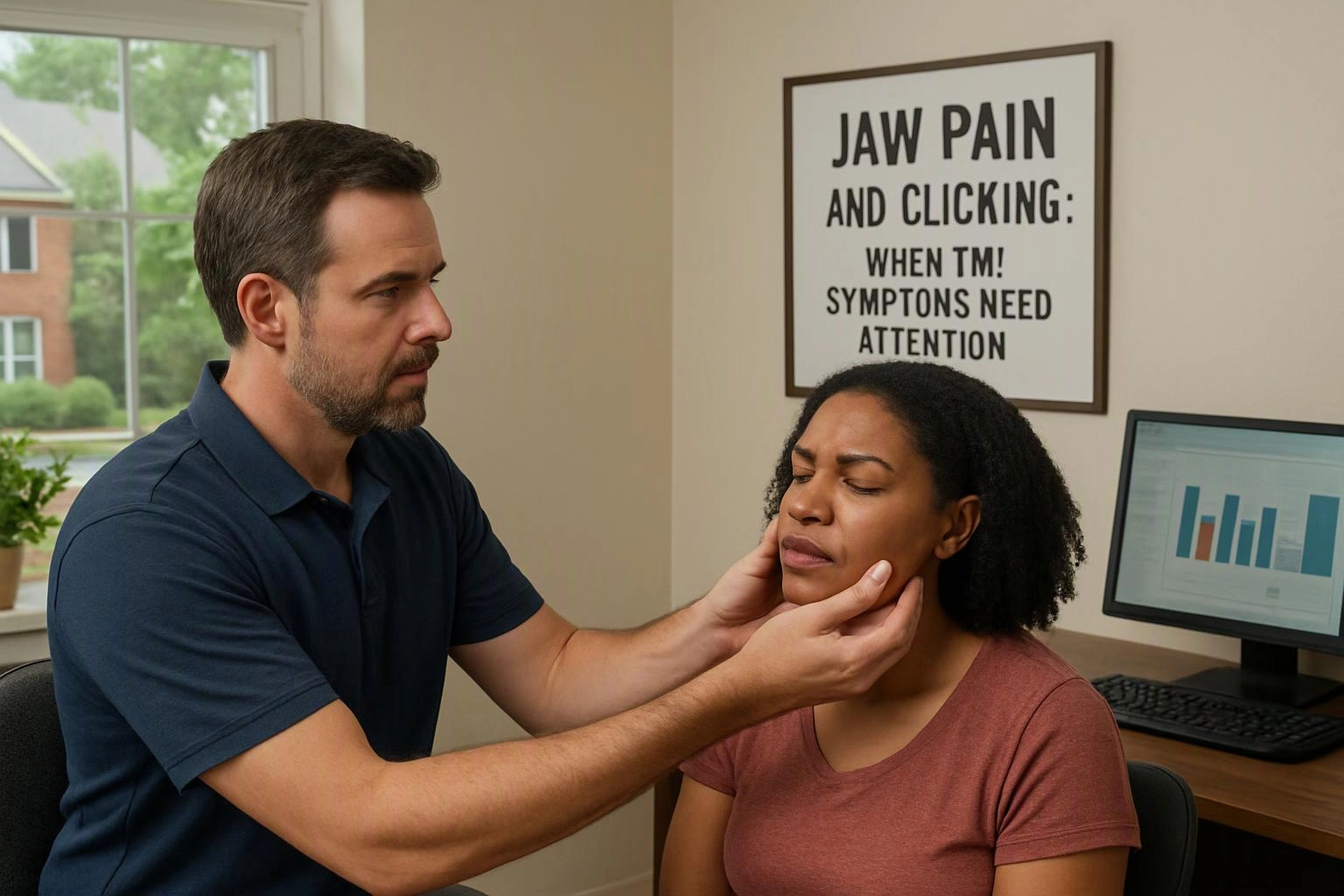
Jaw pain and clicking can reflect irritation, muscle tension, or altered jaw movement, especially when symptoms keep returning.
The temporomandibular joint connects the jawbone to the skull. A TMJ disorder can affect this joint, the jaw muscles, and nearby areas such as the neck.
A popping jaw without pain may not need urgent care. Repeated clicking with bite discomfort, facial tension, or limited opening deserves a symptom assessment.
Which TMJ Symptoms Need Attention?
TMJ symptoms need attention when they persist, worsen, or interfere with daily activities. We look at the full pattern because jaw symptoms can overlap with neck pain and headaches.
These signs don't always point to one cause. Our team considers the timing, triggers, and effect on eating, sleep, and movement.
What Common Causes Can Trigger TMJ Symptoms?
Common causes include muscle overuse, injury, and habits that increase pressure around the jaw. We ask about these factors during your history and examination.
Several causes can occur together. Our assessment helps separate a short-term flare from a pattern that needs ongoing care.
How Can Neck Pain Connect With TMJ Symptoms?
Neck pain can connect with TMJ symptoms because jaw movement, head posture, and nearby muscles work together.
The jaw muscles attach near the skull and work with muscles around the cervical spine. Forward head posture can increase muscle tension around both areas.
We assess head posture, neck motion, and jaw movement together. Our findings help us decide whether related Neck Pain Treatment may support your care plan.
When Should Jaw Pain After Whiplash Be Checked?
Jaw pain after whiplash should be checked when discomfort, clicking, stiffness, or limited movement continues after the injury.
Whiplash can affect the neck and the muscles that support jaw movement. A jaw injury may also involve the temporomandibular joint, bite comfort, and nearby tissues.
We review the injury history and check for headaches, neck pain, restricted movement, and changes in jaw function. This approach helps us identify when conservative care may fit and when another evaluation is needed.
How Can You Reduce TMJ Strain at Home?
Simple habits can reduce daily pressure on the jaw while you arrange an assessment. Stop any activity that increases pain or causes new symptoms.
These steps may ease strain, but they don't identify the cause. We can assess persistent symptoms and explain suitable conservative care.
How We Assess TMJ and Neck Symptoms
We assess jaw movement, neck function, posture, muscle tension, and symptom history before discussing care.
Our TMJ examination includes jaw range of motion, opening and closing patterns, and signs of muscle tenderness. We also review headaches, ear symptoms, whiplash history, and bite discomfort.
A posture assessment and neck assessment show how the cervical spine may relate to your symptoms. We use these findings to explain what may be contributing to your discomfort.
What Can Chiropractic TMJ Treatment Include?
Chiropractic TMJ treatment may address related jaw and neck movement restrictions through an individualized assessment and care plan.
Our approach may include manual therapy, movement assessment, and care for muscle tension around the jaw and neck. We focus on comfortable movement and the mechanics that affect your symptoms.
Learn more about our TMJ Treatment approach. We explain how it may relate to Neck Pain Treatment when both areas affect your daily comfort.
How Do We Explain Your Care Options and Pricing?
We review your findings, explain the recommended care, and provide upfront pricing; Advanced Injury Care Clinic offers Free Consultations.
Your care plan may depend on jaw movement, neck findings, symptom history, and whether TMJ Treatment or Neck Pain Treatment is appropriate. We explain what the recommended care includes before you decide.
Contact us to discuss your symptoms and request details about your care options. The exact quote depends on the findings and services included.
When Do TMJ Symptoms Need Medical or Dental Attention?
TMJ symptoms need medical or dental attention when severe injury, swelling, infection signs, a locked jaw, or major movement limits are present.
Seek prompt medical evaluation for facial swelling, fever, drainage, trouble breathing, or signs of infection. A jaw dislocation or severe injury also needs immediate medical care.
A dentist can assess tooth damage, bite changes, and problems that begin inside the mouth. We can help explain the musculoskeletal findings, but dental and medical concerns need the right evaluation.
Questions About Jaw Pain and Clicking
Can TMJ symptoms affect sleep?
Yes, TMJ symptoms can affect sleep when pain, teeth grinding, or jaw clenching keeps the muscles active. Advanced Injury Care Clinic reviews sleep position, morning jaw stiffness, and related neck tension during assessment.
Should jaw clicking be checked if it does not hurt?
Jaw clicking without pain doesn't always need care, but repeated clicking with limited opening, locking, or bite discomfort deserves an assessment. We can check jaw movement and related muscle tension.
Can stress make jaw clenching and TMJ pain worse?
Yes, stress can increase jaw clenching and muscle tension, which may worsen TMJ pain. We discuss daily triggers and show you how to notice resting jaw tension.
Can TMJ symptoms return after treatment?
Yes, TMJ symptoms can return when clenching, posture strain, injury, or other triggers continue. We review those factors and adjust the care plan when symptoms change.
Jaw pain and clicking can involve the jaw, neck, posture, and muscle tension. Advanced Injury Care Clinic can review your symptoms and explain whether conservative care fits your needs.
Get a Free Estimate