Back or Neck Pain With Tingling: Could a Disc Be Involved?
A herniated disc can irritate a spinal nerve and cause back or neck pain with tingling into the leg or arm. Advanced Injury Care Clinic evaluates symptoms, movement, and nerve signs to guide appropriate chiropractic care.
Request an EstimateHow Can a Herniated Disc Cause Tingling?
A herniated disc can cause tingling when displaced disc material irritates or compresses a nearby spinal nerve.
An intervertebral disc sits between the vertebrae and helps the spine move. The disc has a tough outer ring called the annulus fibrosus and a softer center called the nucleus pulposus.
When disc material moves outward, it can narrow space near a nerve root. That nerve compression may cause radiating pain, tingling, or other nerve symptoms.
Our team checks whether the symptom pattern fits disc irritation or another spinal condition. We also look for signs that need medical evaluation.
What Signs Can Point to a Disc-Related Nerve Problem?
Disc-related nerve problems can cause symptoms that travel away from the spine. The pattern depends on which spinal nerve is affected.
We compare these symptoms with your movement and nerve findings. That helps us decide whether chiropractic care is suitable.
Where Do Herniated Disc Symptoms Travel?
Lower-back disc problems often send symptoms into the buttock or leg, while neck disc problems can send symptoms into the shoulder, arm, or hand.
The affected spinal region often explains where symptoms travel. Our spinal examination helps us match the symptom pattern with the suspected nerve pathway.
| Spinal area | Possible pattern | Related term |
|---|---|---|
| Lumbar spine | Symptoms may move from the lower back into the buttock, thigh, or leg. | Sciatica or lumbar radiculopathy |
| Cervical spine | Symptoms may move from the neck into the shoulder, arm, or hand. | Cervical radiculopathy |
Radiculopathy describes nerve symptoms caused by irritation near a spinal nerve root. Sciatica is a common pattern involving nerves that travel into the leg.
Why Can Coughing or Sneezing Make Disc Pain Worse?
Coughing or sneezing can briefly increase pressure around an irritated spinal nerve and make disc-related pain or tingling feel stronger.
Spinal pressure can rise during forceful coughing or sneezing. That change may increase nerve irritation when a disc already crowds nearby space.
We ask whether coughing, sneezing, bending, or sitting changes your symptoms. These details help us understand the pattern during your evaluation.
What Common Causes Can Lead to Disc Problems?
Disc problems can develop from gradual wear, physical strain, or a sudden injury. Our team asks about recent events and repeated activities.
The cause can affect which movements worsen symptoms. We use your history and examination findings to guide the next step.
How Can You Reduce the Risk of Disc Irritation?
Disc irritation risk may decrease when you support steady movement and sound body mechanics. We can discuss changes that fit your symptoms and daily routine.
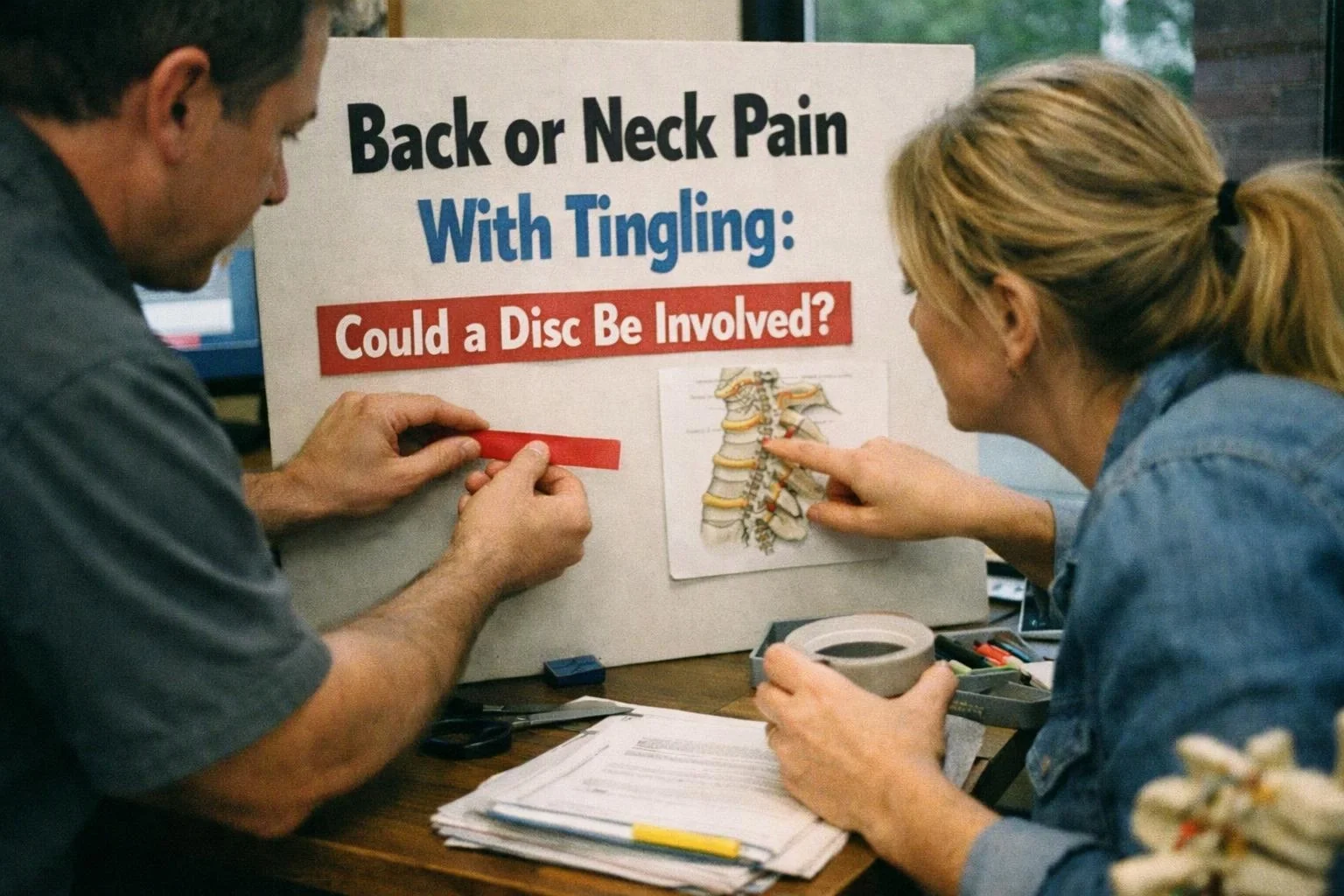
These steps support spinal health but don't replace an evaluation when tingling continues. We can help identify movements that are irritating your nerves.
Can a Chiropractor Evaluate a Herniated Disc?
Yes, a chiropractor can evaluate symptoms and physical findings that may suggest disc involvement, then decide whether chiropractic care is appropriate or further medical evaluation is needed.
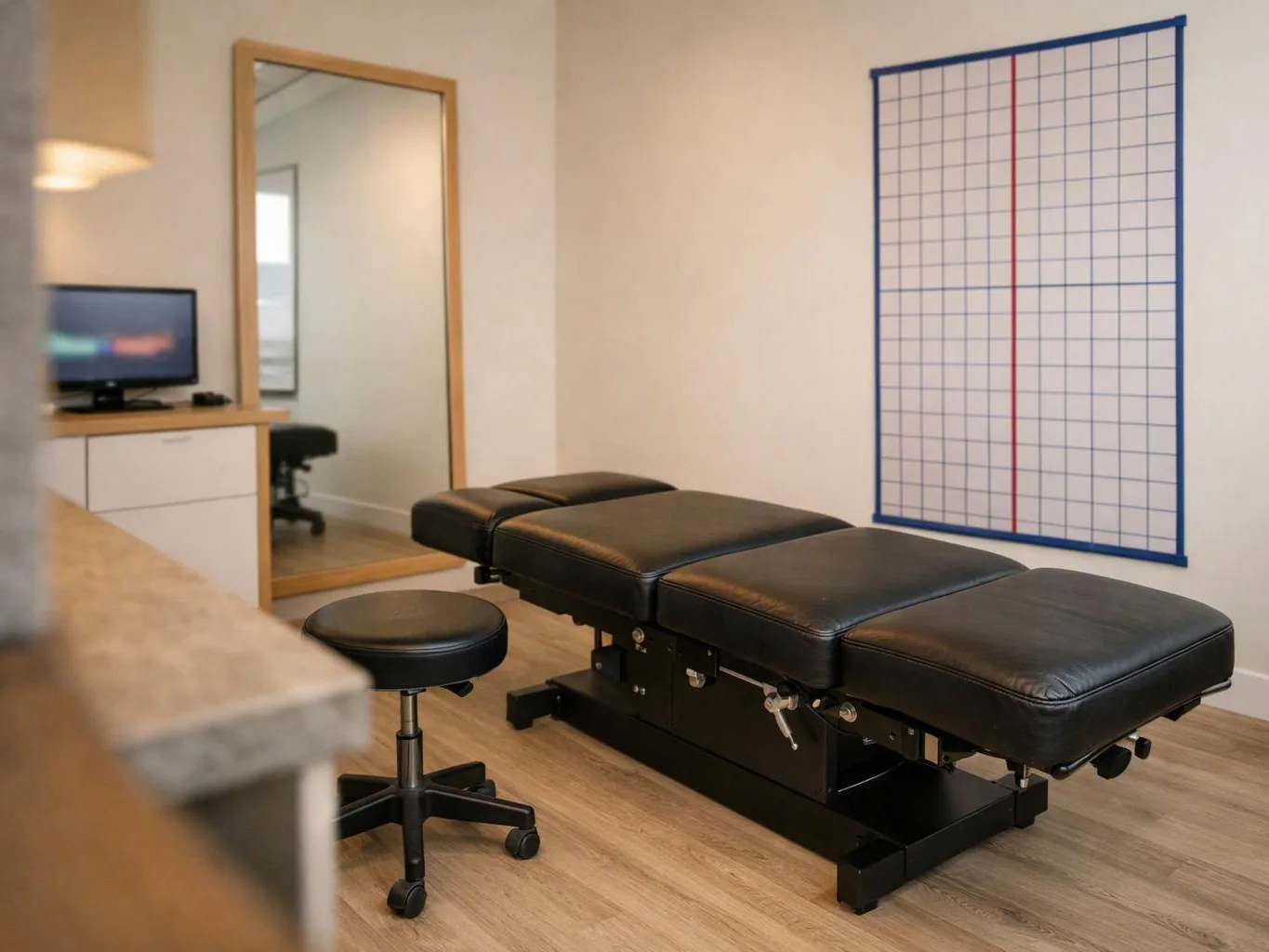
Our chiropractic evaluation starts with your medical history and symptom pattern. We assess range of motion, posture, strength, sensation, and reflexes.
A neurological examination helps us check nerve function. Orthopedic tests may add useful information about movement and irritated tissues.
Diagnostic imaging may be considered when the findings suggest that images could clarify the problem. We use imaging findings alongside your examination, not as a stand-alone answer.
How We Assess Back or Neck Pain With Tingling
Advanced Injury Care Clinic uses a focused process to connect your symptoms with safe care options. Our team explains what we find at each stage.
We adjust the care plan when your symptoms or examination findings change. Your safety guides every recommendation.
Which Treatments May Help When a Disc Is Involved?
Herniated disc treatment may include spinal decompression therapy or chiropractic adjustment when examination findings support those options.
Spinal decompression therapy may be considered when reducing pressure and improving comfortable movement are appropriate goals. A chiropractic adjustment may support joint motion when the examination supports gentle, controlled care.
Conservative care focuses on reducing nerve irritation while restoring useful movement. We select care based on your symptoms, examination, and response.
When Does Tingling Need Prompt Medical Attention?
Tingling with progressive weakness, major loss of sensation, or bladder or bowel changes needs prompt medical evaluation.
Seek urgent medical evaluation for loss of bladder control, loss of bowel control, or saddle numbness. Saddle numbness affects the area around the inner thighs, groin, or buttocks.
Loss of coordination or rapidly worsening weakness also needs prompt attention. We don't delay referral when warning signs suggest a serious nerve problem.
What Should You Bring to a Disc Evaluation?
A clear symptom record helps us understand how your pain and nerve symptoms have changed. Bring information that shows your pattern from the start.
These details help our team connect your history with the examination. They also help us explain your care plan clearly.
Questions About Tingling and Herniated Discs
Can a herniated disc cause tingling without severe pain?
Yes, a herniated disc can cause tingling without severe pain when a spinal nerve is irritated more than compressed. Advanced Injury Care Clinic checks sensation, strength, reflexes, and movement to understand the pattern.
Does a herniated disc always need surgery?
No, a herniated disc doesn't always need surgery. The right approach depends on symptoms, nerve findings, progress, and warning signs that may require medical care.
Can a chiropractor tell if tingling comes from a disc?
Yes, a chiropractor can identify findings that suggest disc involvement, but symptoms can have more than one cause. We use your history, physical examination, nerve testing, and diagnostic imaging when appropriate.
What does tingling in one arm or leg suggest?
Tingling in one arm or leg may suggest irritation of a spinal nerve on that side. The location and pattern can point toward cervical radiculopathy, lumbar radiculopathy, or another nerve-related condition.
Back or neck pain with tingling deserves careful evaluation, especially when symptoms spread or weakness develops. Advanced Injury Care Clinic can review your symptoms and explain the next appropriate step.
Our clinic offers Free Consultations for people seeking guidance about disc-related nerve symptoms.
Contact Advanced Injury Care Clinic to discuss your symptoms and request an evaluation.