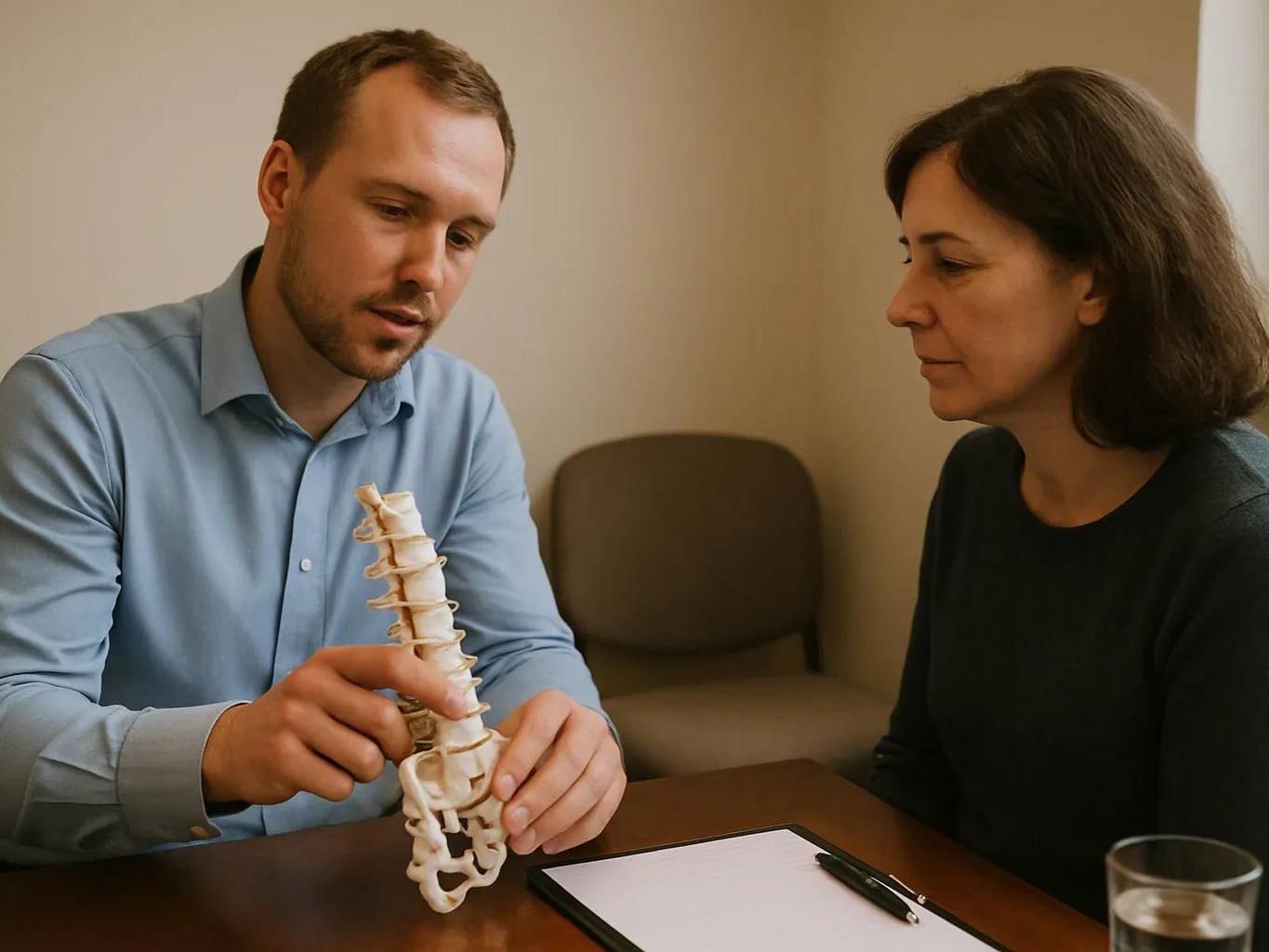
When Back Pain May Need More Than Rest and Home Care
A chiropractor for back pain can help when symptoms persist, limit movement, or return during sitting and bending. Advanced Injury Care Clinic checks movement, symptoms, and warning signs before recommending adjustment, exercise, or further medical care.
Request an EstimateWhen Back Pain Needs More Than Rest and Home Care

Back pain needs a clinical assessment when it persists, limits movement, or comes with warning signs that rest cannot explain.
Rest and home care may calm a mild strain, but ongoing symptoms need closer attention. Our team checks the pattern of pain, spinal movement, and daily activities before choosing back pain care.
Our Back Pain Treatment approach focuses on safe, conservative care for symptoms that appear musculoskeletal. We also explain when medical referral is the safer next step.
Signs Your Back Pain May Need an Assessment
Several symptoms can show that home care alone isn't answering the problem. A clinical assessment helps connect symptoms with movement limits and possible nerve irritation.
Arrange an assessment when back pain includes any of these concerns:
These signs don't always mean a serious condition is present. We use the full symptom history and examination to decide whether chiropractic care fits.
Common Causes of Back Pain That Keeps Returning
Recurring back pain can come from muscles, joints, discs, or repeated movement patterns. The same activity may keep stressing the area when movement control hasn't improved.
Common contributors include:
Our movement assessment looks for the activities and positions linked to the flare-up. We then match care to the findings instead of treating every case the same way.
How Sitting, Bending, and Movement Can Affect Back Pain
Lower back pain that worsens with sitting or bending can reflect movement or load sensitivity, so the pattern helps guide the assessment.
Sitting can keep the lower back in one position for too long. Bending and lifting can increase the load through the lumbar spine, especially when posture and muscle control change.
We compare painful movements with easier movements during the clinical assessment. This helps us evaluate range of motion, spinal mobility, and the way the back muscles support daily tasks.
When Is a Chiropractor Appropriate for Back Pain?
A chiropractor may be appropriate for back pain when the symptoms appear musculoskeletal and no urgent warning signs are present.
Chiropractic care may suit mechanical back pain, muscle strain, joint irritation, and some movement-related symptoms. We first check for red flags, nerve symptoms, and signs that call for medical referral.
A chiropractic adjustment may be considered when joint motion needs support. We won't recommend an adjustment when the clinical findings suggest that another type of care is safer.
What We Check Before Back Pain Treatment
Our clinical assessment connects your symptoms with movement, strength, and possible nerve involvement. Each finding helps shape a safe back pain treatment plan.
This process helps separate routine musculoskeletal pain from warning signs. It also gives you clear reasons for each part of the recommended care plan.
Treatment Options for Back Pain Beyond Rest
Back pain treatment may combine chiropractic adjustment with corrective exercise therapy when both joint motion and movement control need attention.
Manual adjustment may support spinal mobility when restricted joint motion contributes to symptoms. Exercise-based rehabilitation can build better control of the back, hips, and trunk during daily movement.
Our team adjusts the plan as symptoms change. We may focus on movement quality, gradual activity, or medical referral when the assessment points outside routine musculoskeletal care.
Practical Ways to Reduce Back Pain Flare-Ups
Daily habits can reduce strain when they keep the back moving without sudden increases in load. These steps support care, but they don't replace an assessment when symptoms persist.
Helpful prevention steps include:
We can help you identify which movements trigger your symptoms. Our team can also show how corrective exercise fits your assessment findings.
When Back Pain Needs Urgent Medical Attention
Back pain needs urgent medical attention when it occurs with serious neurological symptoms, major trauma, or signs of systemic illness.
Seek urgent medical care for severe weakness, loss of bladder or bowel control, or numbness in the saddle area. Serious trauma, fever, or unexplained weight loss also needs prompt medical evaluation.
These are red flags that may point beyond routine musculoskeletal pain. We don't delay medical referral when the symptoms require urgent assessment.
How Advanced Injury Care Clinic Starts Back Pain Care
Advanced Injury Care Clinic begins with Free Consultations and uses the assessment findings to explain suitable back pain care.
We discuss your symptoms, movement limits, and goals before outlining a care plan. The plan may include chiropractic adjustment, corrective exercise therapy, or medical referral when appropriate.
Contact our team to discuss your back pain treatment and the next safe step.
Get a Free EstimateQuestions About Back Pain and Chiropractic Care
Can a chiropractor help with lower back pain that gets worse when sitting?
Advanced Injury Care Clinic can assess lower back pain that worsens when sitting and determine whether chiropractic care fits. We check spinal movement, posture, range of motion, and nerve symptoms before recommending treatment.
Should I see a chiropractor if back pain returns after rest?
Yes, recurring back pain after rest deserves a clinical assessment when it limits movement or affects daily activities. Our team looks for movement patterns, joint irritation, muscle strain, and warning signs before planning care.
Can chiropractic care help back pain that worsens when bending?
Chiropractic care may help bending-related back pain when the symptoms appear musculoskeletal and no red flags are present. We assess bending, lifting, spinal mobility, and possible nerve symptoms before choosing an adjustment or exercise-based care.
What symptoms mean back pain needs medical attention first?
Back pain needs medical attention first when it includes severe weakness, loss of bladder or bowel control, saddle-area numbness, serious trauma, fever, or unexplained weight loss.