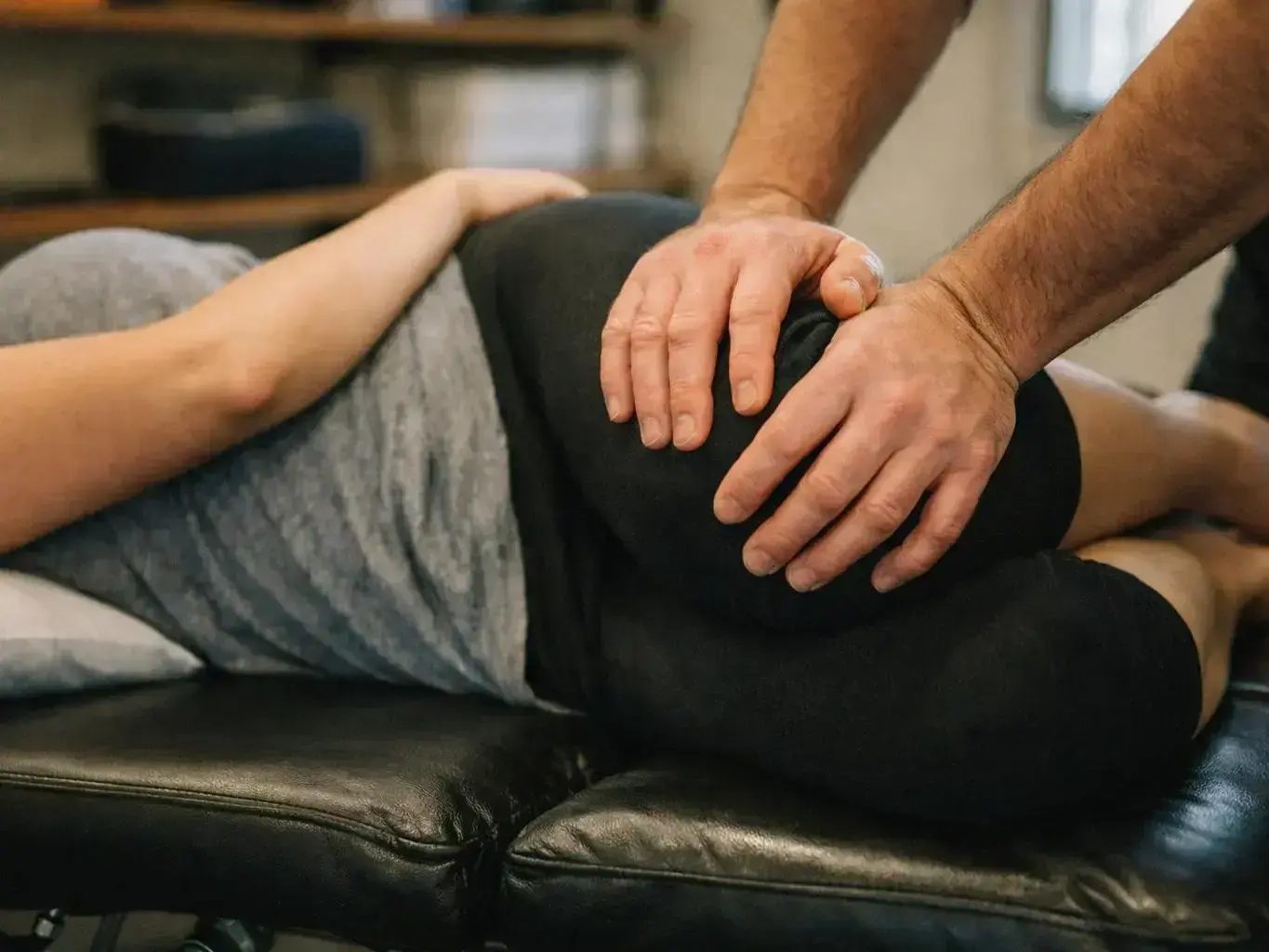
Understanding Posture Correction
Posture Correction helps your body stand right. It spreads weight evenly. This cuts strain on muscles and joints.
Your spine has three natural curves. One is at your neck. One is at your mid-back. One is at your lower back.
Bad habits can change these curves. Slouching or hunching over screens does this. Carrying heavy bags can too.
When curves change, you may feel pain. You might get tired fast. Over time, pain can become chronic (long-lasting).
Posture Correction fixes these curves. It puts them back in the right place. This helps your body work better.
Many things cause bad posture. Sitting too long is one. Weak core muscles are another.
Bad shoes and doing the same motions can hurt posture. Your body gets used to these habits. Then bad posture feels normal.
Posture Correction teaches your body better habits. You learn to stand and sit right. You do exercises and change daily routines.
It feels hard at first. But if you keep at it, your body learns. You start moving in healthier ways.
How Posture Correction Works?
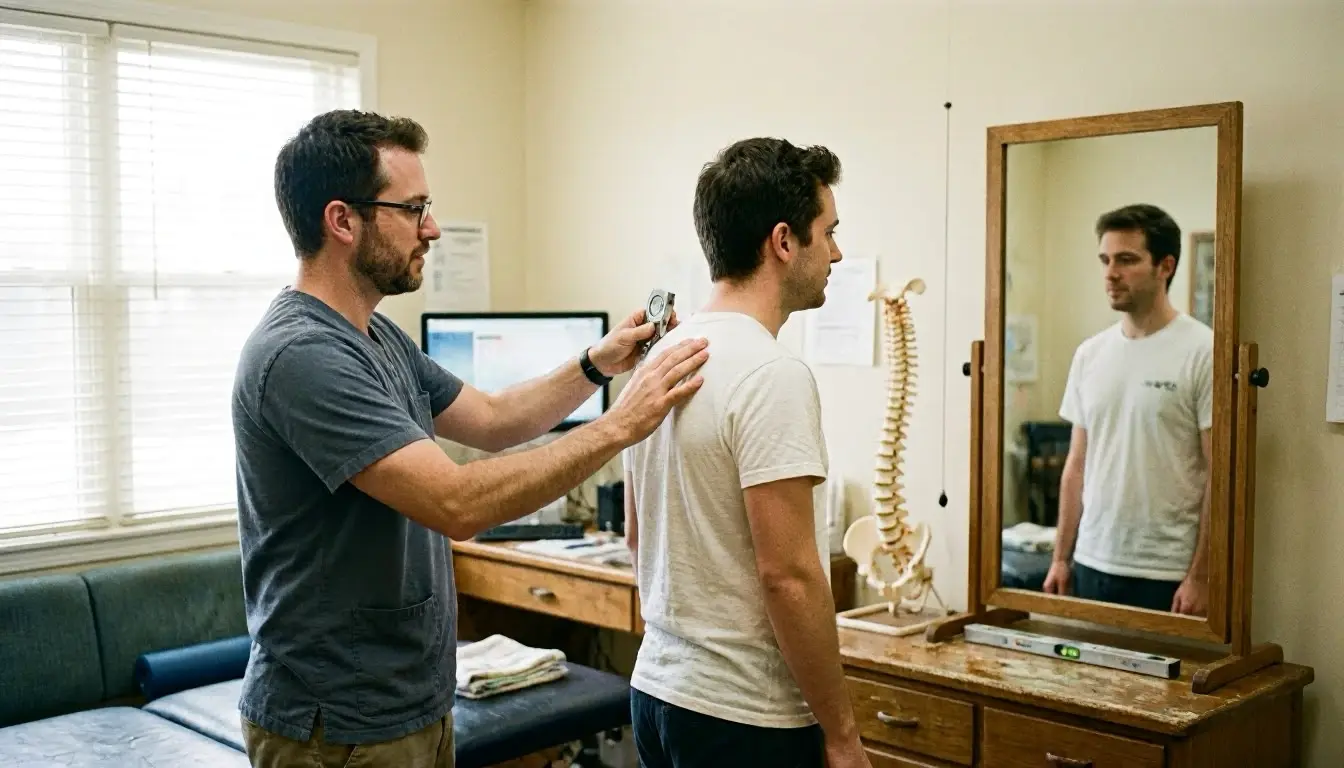
Posture Correction starts with a check-up. A chiropractor or therapist does this. They look at how you stand and move.
They check if your muscles are weak or tight. They may use tools like mirrors. Some use grids or digital scans.
These tools find problems in your spine. They spot issues with shoulders, hips. Or knees.
After the check-up, you get a plan. It is made just for you. Here's what it may include:
- Exercises and stretches: You strengthen weak muscles. Your core (belly muscles) and upper back need this.
- You stretch tight muscles. Your chest and hips may be tight.
- Ergonomic (work setup) changes: You adjust chairs or desks. You may add lumbar rolls (small pillows for your back).
- Manual therapies: A therapist may adjust your spine. They may use massage to ease tight muscles.
- Postural awareness: You learn to catch bad posture. You set reminders to check it.
- Some devices vibrate when you slouch. This helps you remember.
Your body needs time to change. Progress is slow but steady. You may see a pro often to check how you're doing.
Why Posture Correction Matters?
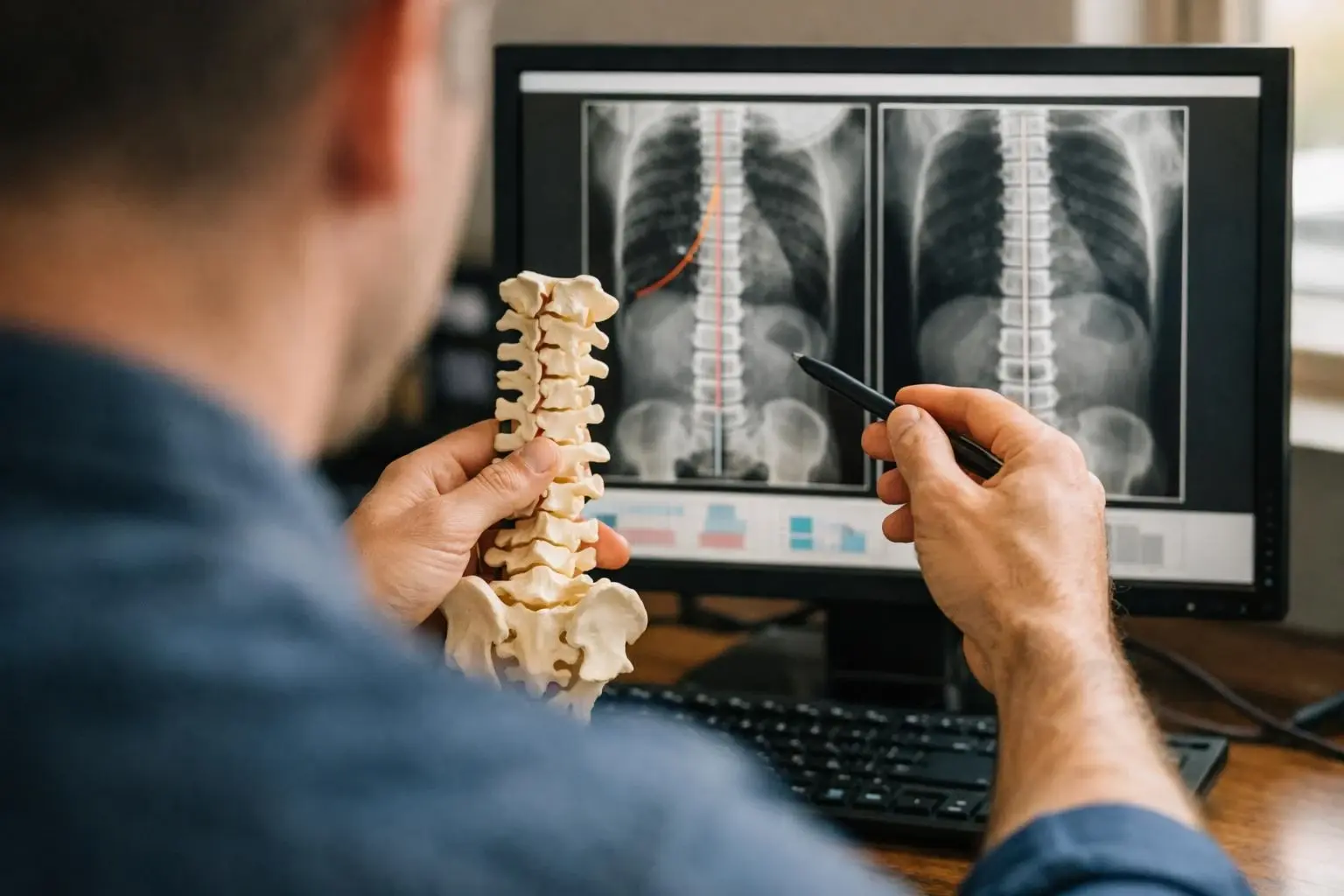
Bad posture doesn't just look bad. It can hurt your health. Some muscles and joints take too much weight.
This causes strain and swelling. Over time, it wears your body down. For example, slouching adds 50% more pressure to your lower back.
This can cause herniated discs (a spine problem). It can also cause sciatica (nerve pain in your leg).
Forward-head posture is common. It happens when you look down at phones. This strains your neck muscles.
It can cause headaches. It can also cause long-term neck pain.
Bad posture affects more than pain. It can change how you breathe. Slouching squishes your lungs.
This makes it hard to take deep breaths. It can also squeeze your stomach. This slows digestion.
It may cause acid reflux (heartburn). Good posture helps your organs work better.
It improves blood flow. It can even make you feel more confident. Others see you as more sure of yourself.
Fixing your posture helps avoid these problems. It can make your life better.
When Posture Correction Matters Most?
Some people need Posture Correction more. Office workers sit a lot. Drivers and students do too.
Sitting too much weakens muscles. You must work to stand right. People with injuries or surgeries need it too.
Bad posture can make pain worse. It can slow healing. People with scoliosis (curved spine) need it.
Athletes also benefit. Bad posture can hurt their game. It can cause injuries.
Kids and teens should work on posture. Habits now last a lifetime. Heavy backpacks and screens can hurt them.
Teach them to sit right. Have them take breaks to move. Fixing posture early stops problems later.
Older adults need it too. It helps them balance. It cuts the risk of falls.
It can ease arthritis pain. It helps with spinal stenosis (a spine problem).
Even healthy people should check posture. It stops future problems. It keeps you moving well.
Take breaks to stretch. Adjust your chair height. Small changes help a lot over time.