Understanding Personal Injury Protection

Personal Injury Protection, often abbreviated as PIP, is a part of auto insurance designed to help people recover quickly after a car accident. Unlike liability insurance, which pays for injuries or damage caused to others, PIP focuses on the policyholder and their passengers. It covers medical bills, rehabilitation costs. And even expenses like lost wages or essential services such as childcare if the injured person can't perform daily tasks. Because PIP operates on a no-fault basis, it pays out whether the policyholder caused the accident or not.
PIP is required in some states, known as 'no-fault' states, where drivers must carry this coverage to ensure prompt payment for medical expenses after an accident. In other states, PIP is optional, allowing drivers to choose whether to add it to their policy. The coverage limits—how much the insurance will pay—vary by state and policy. For example, a policy might cover up to ,000 in medical expenses. While another might offer ,000 or more. Some policies also include deductibles, meaning the policyholder pays a set amount before the insurance kicks in.
How Personal Injury Protection Works?
When an accident occurs, the policyholder or their passengers file a claim with their own insurance company under the PIP coverage. The insurance company then pays for eligible expenses up to the policy limit. Eligible expenses typically include hospital bills, doctor visits, physical therapy. And medications. PIP may also cover non-medical costs like lost wages if the injured person cannot work, transportation to medical appointments. Or even funeral expenses in the case of a fatal accident.
Because PIP is no-fault, it pays out quickly—often within weeks - without waiting for lengthy investigations or legal disputes over who caused the accident. This speed is one of its biggest advantages, as it helps injured individuals get the care they need without financial stress. But PIP doesn't cover property damage, such as repairs to a car. Or pain and suffering claims, which may require separate legal action. In states where PIP is mandatory, drivers cannot sue for minor injuries unless they meet certain thresholds, such as exceeding a dollar amount in medical bills or suffering permanent disability.
PIP may overlap with health insurance. But it often covers expenses that health insurance does not, such as lost wages or essential services. For example, if a person is injured in an accident and cannot cook or clean, PIP might pay for a home aide. Some policies also cover passengers or pedestrians injured by the policyholder’s car, even if they have their own health insurance. Understanding the specifics of a PIP policy, such as coverage limits, deductibles. And exclusions - is important for drivers to avoid unexpected out-of-pocket costs.
Why Personal Injury Protection Matters?
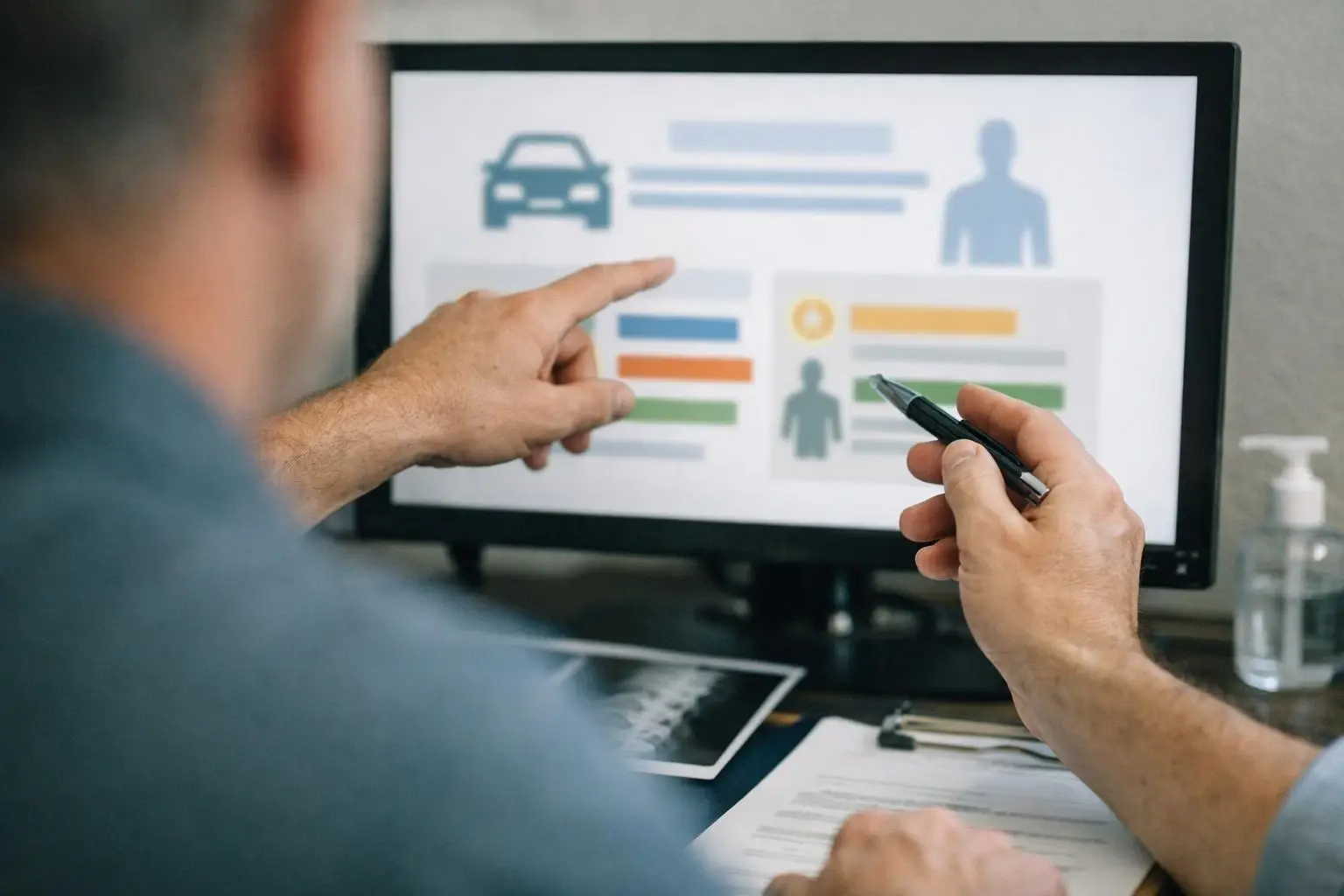
Personal Injury Protection matters because car accidents can lead to unexpected medical bills and financial strain, even for minor injuries. Without PIP, injured individuals might have to rely on their health insurance, which may not cover all accident-related expenses. Or wait for a liability claim to resolve, which can take months or years. PIP provides immediate financial support, allowing people to focus on recovery rather than worrying about how to pay for medical care or lost income.
For drivers in states where PIP is required, it's a legal necessity to maintain auto insurance. Even in states where it is optional, PIP can be a valuable addition to a policy, especially for those without strong health insurance or savings to cover accident-related costs. It also reduces the likelihood of lawsuits for minor injuries, as the no-fault system is designed to handle smaller claims without legal action. This can save time, money. And stress for everyone involved.
When Personal Injury Protection Matters Most?
Personal Injury Protection matters most in situations where an accident leads to injuries that require medical attention, time off work. Or additional support services. For example, if a driver is rear-ended and suffers whiplash, PIP can cover doctor visits, physical therapy. And any lost wages if the injury prevents them from working. It also matters for passengers who may not have their own auto insurance, as PIP can cover their medical expenses as well.
PIP is particularly important in states with high medical costs or where health insurance has high deductibles or limited coverage. In these cases, PIP can fill the gap, ensuring that accident-related expenses are paid without draining savings or relying on credit. It also matters for pedestrians or cyclists injured by a car, as PIP may cover their medical bills even if they were not driving. And PIP can be crucial for families, as it may cover funeral expenses or childcare if the injured person is a primary caregiver.
In Tennessee, where Personal Injury Protection is optional, drivers should consider their own health insurance coverage, savings. And risk tolerance when deciding whether to add PIP to their policy. For those involved in accidents, understanding PIP can help ensure that all eligible expenses are claimed, reducing the financial burden of recovery.