
What Is Lumbar Lordosis?
Lumbar Lordosis is the natural inward curve of the lower spine. The curve helps distribute load through the lumbar spine and supports upright posture. Its shape varies among individuals and can change with pelvic position, muscle control, spinal structure, or injury. A clinical assessment considers the curve alongside movement, symptoms, and overall posture.
Quick Facts About Lumbar Lordosis
Category
Spinal alignment feature
Used for
Posture and movement assessment
Common confusion
A normal curve versus excessive curvature
Also called
Lower Back Curve, Lumbar curvature
Often discussed with
Postural Correction
Key Takeaways About Lumbar Lordosis
- The curve occurs in the lower spine.
- Pelvic position can change how the curve appears.
- Lordosis does not automatically mean a spinal disorder.
How Lumbar Lordosis Works
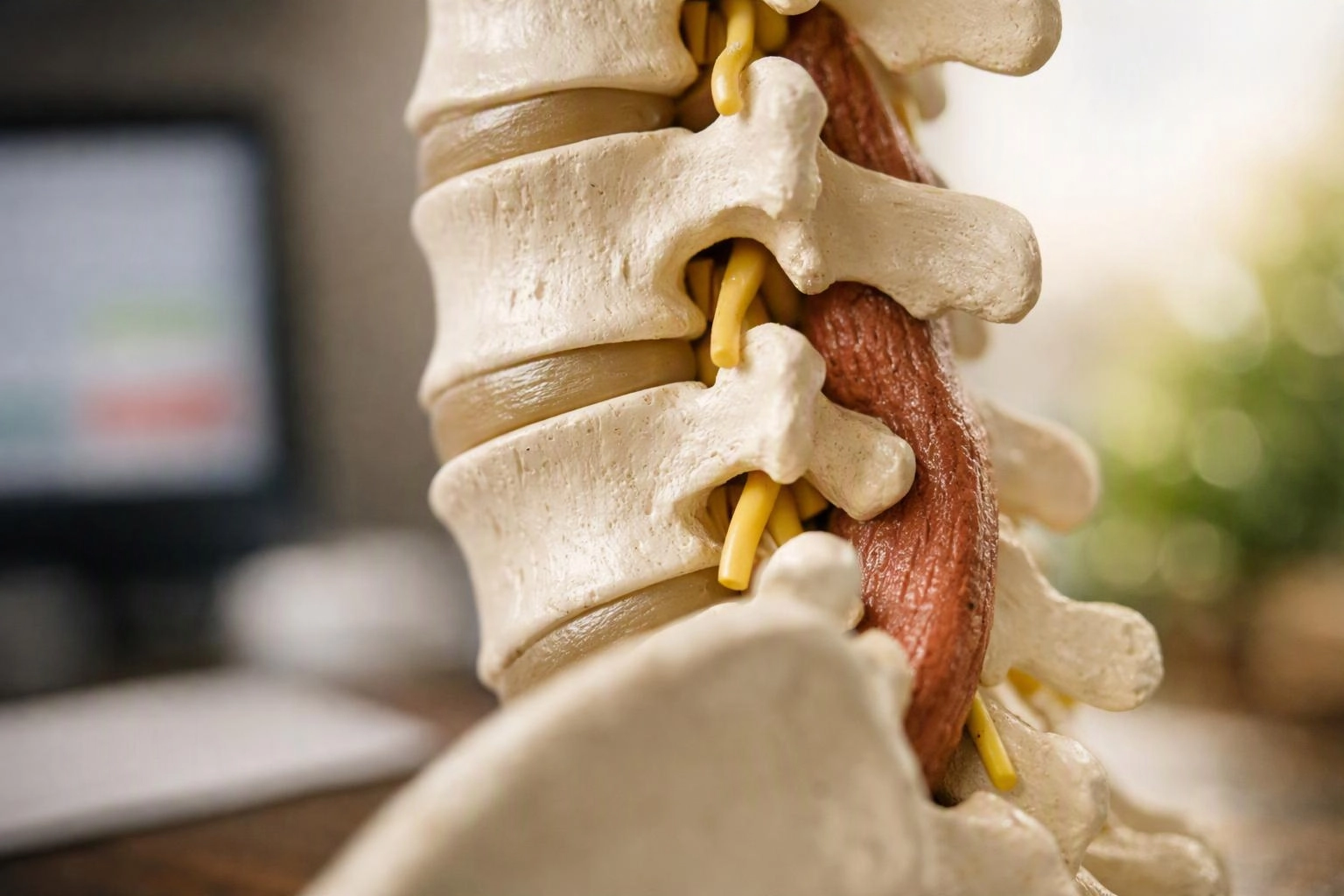
Lumbar Lordosis describes the inward shape of the lower spine when viewed from the side. The curve helps the spine manage body weight and movement during standing, walking, and bending. The lumbar spine works with the pelvis, hips, and abdominal muscles, so posture in one area can change how the curve appears.
Related glossary terms: Anterior Pelvic Tilt, Lumbar Spine, Pelvic Tilt.
Clinicians assess this curve by observing side-view posture and movement. They may compare the position of the pelvis with the trunk and lower limbs. An increased curve can appear with an anterior pelvic tilt, while a reduced curve can appear when the lower back flattens. These observations describe alignment, not a diagnosis by themselves.
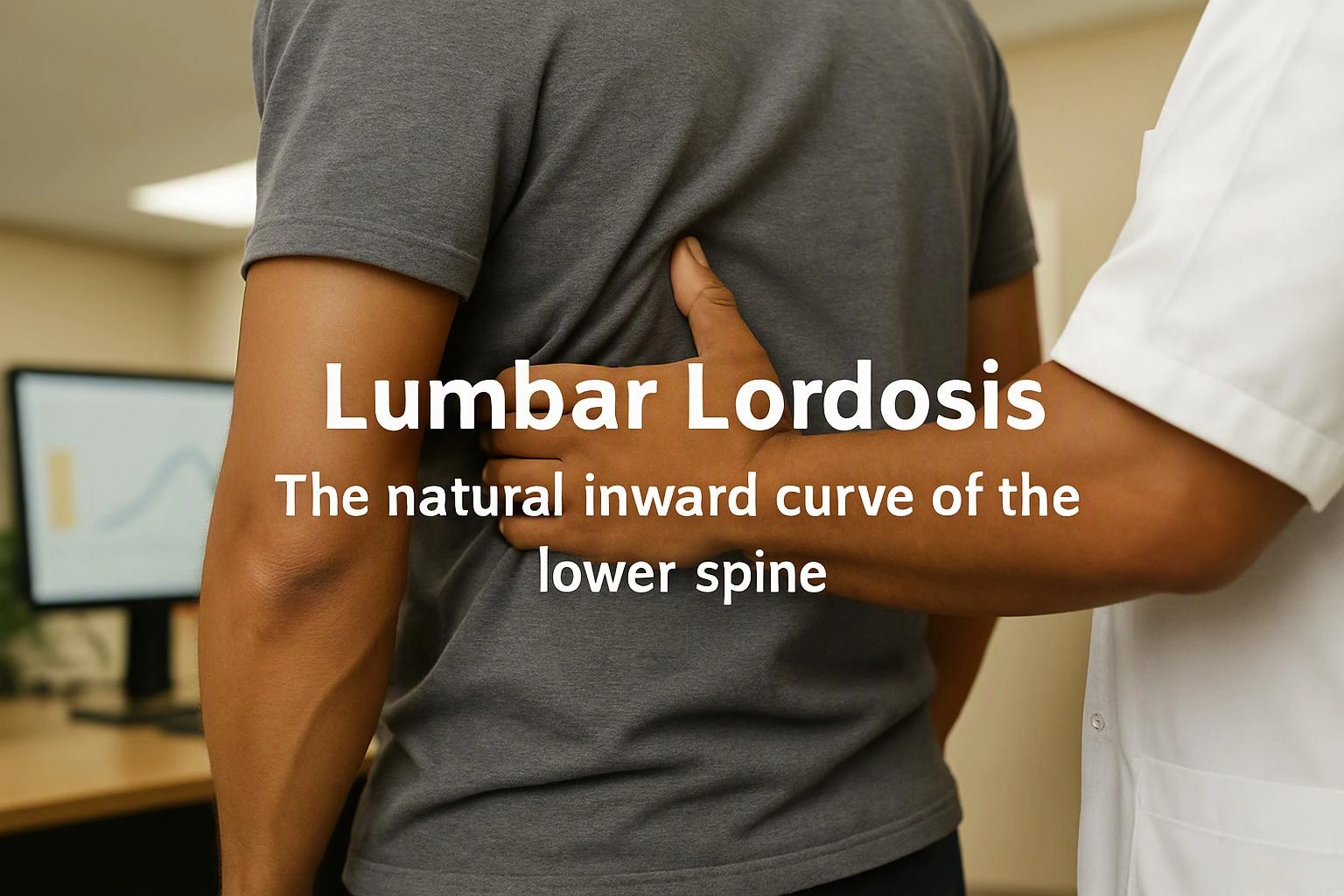
From the Advanced Injury Care Clinic team
When we assess lumbar lordosis during Postural Correction, we observe the lower back together with pelvic position, hip motion, and trunk control. Our team also considers how the alignment changes during common movements. That approach helps separate a flexible posture pattern from a finding that may need further clinical attention.
Lumbar Lordosis in Practice: A Real-World Example
A person who sits for long periods may stand with the pelvis tipped forward and a more noticeable lower-back curve. During a Postural Correction assessment, the practitioner observes whether the position changes with movement and muscle control.
Related Services
Related Terms
Anterior Pelvic Tilt
Anterior Pelvic Tilt is a forward rotation of the pelvis that increases the inward curve of…
Lumbar Spine
Lumbar Spine is the lower section of the spinal column between the thoracic spine and pelvis…
Pelvic Tilt
Pelvic Tilt is a change in the position of the pelvis that affects the alignment of…
Posture Assessment
Posture Assessment is a clinical observation process that examines body alignment, balance, movement habits, and related…
Advanced Injury Care Clinic
Have Questions About Lumbar Lordosis?
Contact Advanced Injury Care Clinic for practical guidance on Lumbar Lordosis and related chiropractor work in Brentwood.