Understanding Chiropractic BioPhysics

Chiropractic BioPhysics (CBP) is a specialized branch of chiropractic care that applies principles of physics and engineering to the human spine. Unlike traditional chiropractic methods that focus mainly on relieving immediate pain, CBP aims to correct the underlying structural problems causing discomfort. This approach uses detailed measurements of spinal alignment, posture. And curvature to create a personalized treatment plan. The goal is to restore the spine to its ideal shape, which can help reduce chronic pain, improve mobility. And prevent future issues.
CBP was developed in the 1980s by chiropractors who wanted a more scientific way to address spinal problems. It relies on research and evidence to guide treatment, making it different from techniques that depend mostly on practical local experience. Patients often undergo X-rays or digital posture analysis to identify misalignments. These measurements help chiropractors design mirror-image adjustments, which means applying pressure or traction in the opposite direction of the spinal distortion to gradually correct it.
How Chiropractic BioPhysics Works?
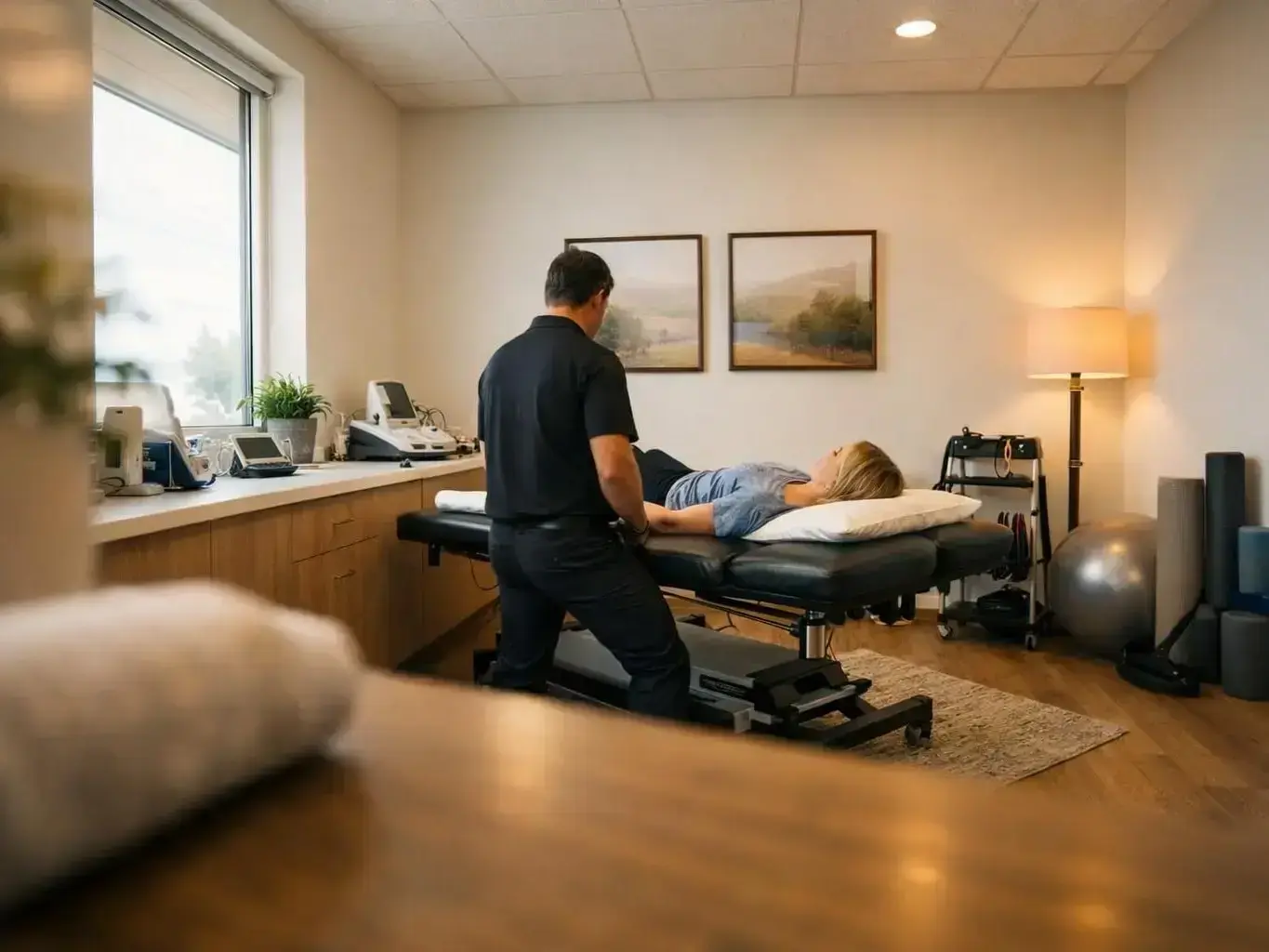
The process begins with a thorough assessment, including spinal X-rays, posture photos. And range-of-motion tests. These tools help the chiropractor identify deviations from the spine’s natural curves, such as an exaggerated forward bend (hyperlordosis) or a flattened back (hypolordosis). Once the problem areas are mapped, the chiropractor uses a combination of adjustments, traction. And exercises to guide the spine back into proper alignment. Traction devices, like specialized tables or harnesses, gently stretch the spine to relieve pressure on nerves and discs.
For local customers, Mirror-image adjustments are a key part of CBP. If a patient’s spine curves too far to the right, for example, the chiropractor might apply pressure to the left side to encourage correction. Over time, these adjustments help retrain the spine and surrounding muscles to hold a healthier position. Patients may also be given specific exercises or stretches to do at home, reinforcing the work done in the clinic. The entire process is gradual, often taking weeks or months to achieve lasting results.
Why Chiropractic BioPhysics Matters?
Many spinal problems develop slowly over years, often due to poor posture, injuries. Or repetitive stress. These issues can lead to chronic pain, headaches. Or even nerve damage if left untreated. CBP matters because it addresses the root cause of these problems rather than just masking symptoms. By restoring the spine’s natural alignment, CBP can help reduce wear and tear on joints, improve nerve function. And boost overall well-being.
Another reason CBP is valuable is its focus on long-term health. While traditional chiropractic care can provide quick relief, CBP aims to create lasting changes that prevent pain from returning. This makes it especially useful for people with chronic conditions like scoliosis, disc herniations. Or long-standing back pain. Patients who stick with the treatment often report better posture, increased energy. And fewer flare-ups of their symptoms.
When Chiropractic BioPhysics Matters Most?
CBP is most helpful for people who have tried other treatments without lasting success. This includes individuals with chronic back or neck pain, those recovering from injuries like car accidents or falls. And people with posture-related problems from desk jobs or repetitive movements. It’s also commonly used for conditions like scoliosis, where the spine curves abnormally. Or degenerative disc disease, where spinal discs wear down over time.
Patients who benefit most from CBP are usually willing to commit to a longer treatment plan. Because the approach focuses on structural correction, results take time and require consistent follow-up. It’s not a quick fix but can be life-changing for those dealing with persistent spinal issues. People who prioritize prevention—such as athletes or workers in physically demanding jobs—may also choose CBP to maintain spinal health and avoid future problems.