During the initial review, what sports injuries can sports chiropractic address from the first walkthrough onward?
Limited range after a sprain, strain, or overuse injury is a common reason to seek sports chiropractic care. We assess the affected joint, muscle, movement pattern, and health history. Care may address neck pain, back pain, shoulder pain, knee pain, hip pain, and related musculoskeletal concerns. Severe pain, weakness, numbness, or major swelling needs medical review.
How does the first sports injury visit work?
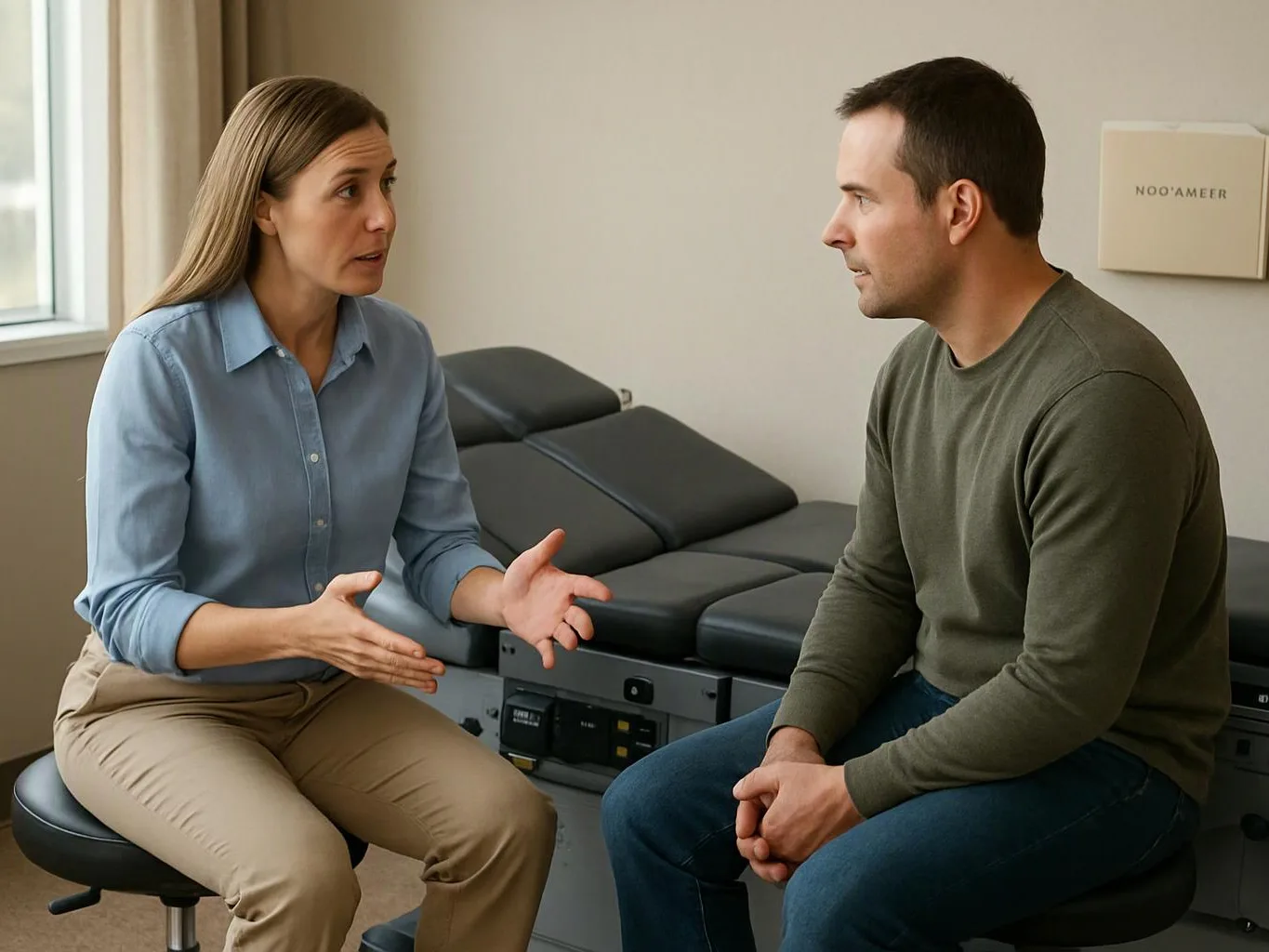
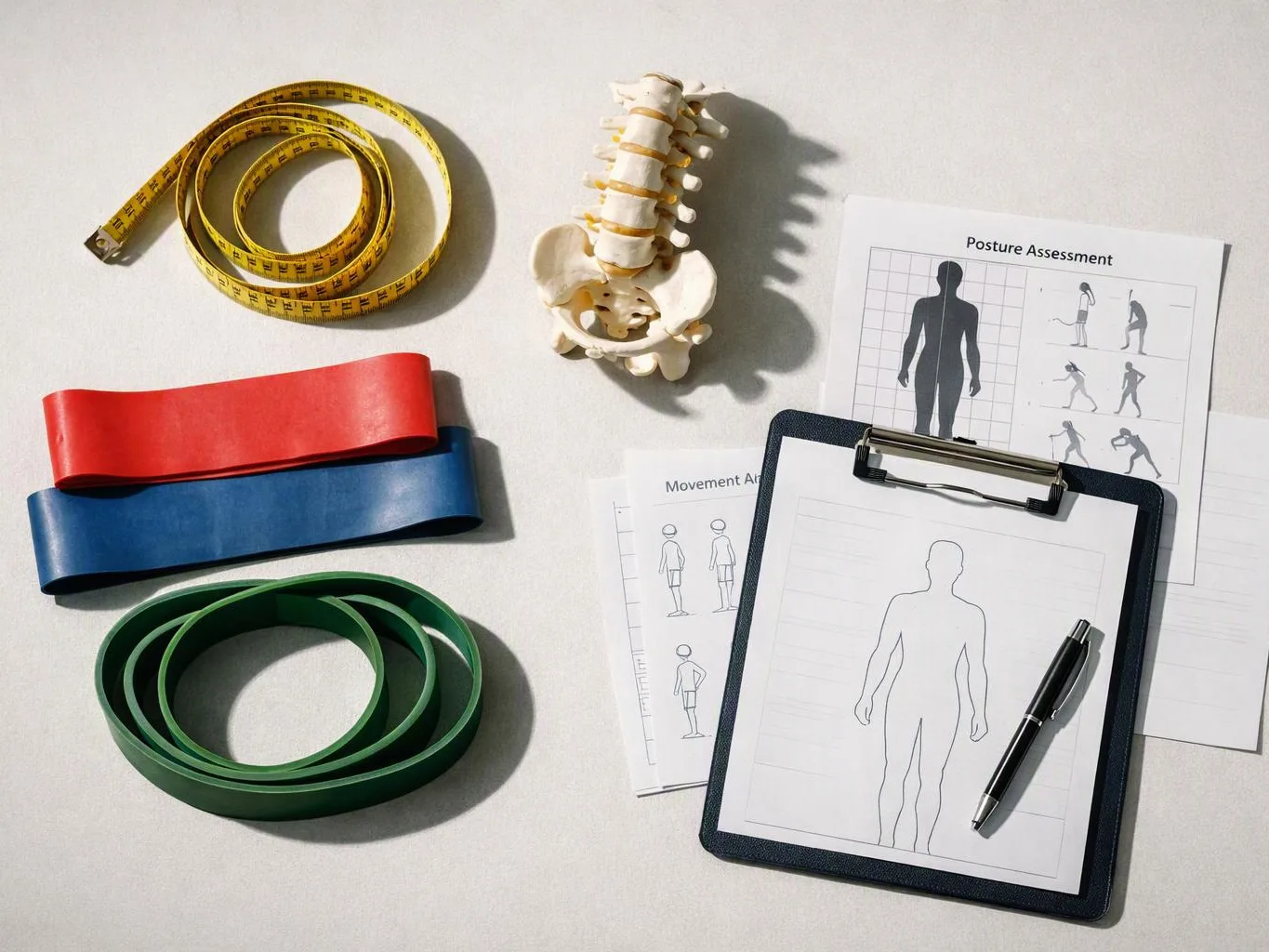
The first visit starts with a new patient intake and a health history and exam. Patients describe the injury, symptoms, activity demands, and past care. Our team then explains the findings and discusses a personalized treatment plan. X-rays may be considered when clinically indicated, and the plan can include injury documentation.
Which treatment methods might help a strained muscle?
Soft tissue therapy may help when muscle strain contributes to pain or restricted movement. Joint adjustments may also fit when nearby joint motion is part of the problem. The exam guides that choice. Patients should share past injuries, current symptoms, and any medical concerns before treatment begins.
When should limited movement receive medical attention first?
Limited movement needs medical attention first when it follows major trauma or comes with severe pain, numbness, weakness, or marked swelling. Those signs can point beyond a routine sports injury. We review the health history and symptoms, but urgent concerns should receive appropriate medical evaluation before chiropractic care.
Why does overuse pain keep returning during training?
Overuse pain can return when repeated activity keeps stressing an irritated muscle, joint, or nearby tissue. We review the activity that triggers symptoms, movement limits, and prior injuries. Patients can discuss training demands during a consultation, then receive a care plan based on the findings and documented progress.
What changes the cost of care for a sprained joint?
The evaluation needs, treatment methods, and injury documentation needs shape the cost for a sprained joint. A consultation helps identify which services fit the complaint. Patients can ask for cost details after the team reviews symptoms, medical history, and whether medical evaluation or imaging is clinically indicated.
Can care records support a workplace sports injury case?
Documented treatment progress can support a workplace injury case when the records relate to the reported injury. Our team records evaluation findings, care provided, and progress during treatment. Patients should share relevant incident details and existing medical documents so the record stays tied to the injury being addressed.