What happens during a pediatric chiropractic care visit?
Comfort breaks start the visit, followed by a health history, child assessment, and movement screening. The examination looks at posture, joint motion, muscle use, and the concern that brought the child in. Advanced Injury Care Clinic then explains suitable options, which may include spinal adjustments, soft-tissue therapy, or corrective exercises.
How is care matched to my child's needs before treatment starts?
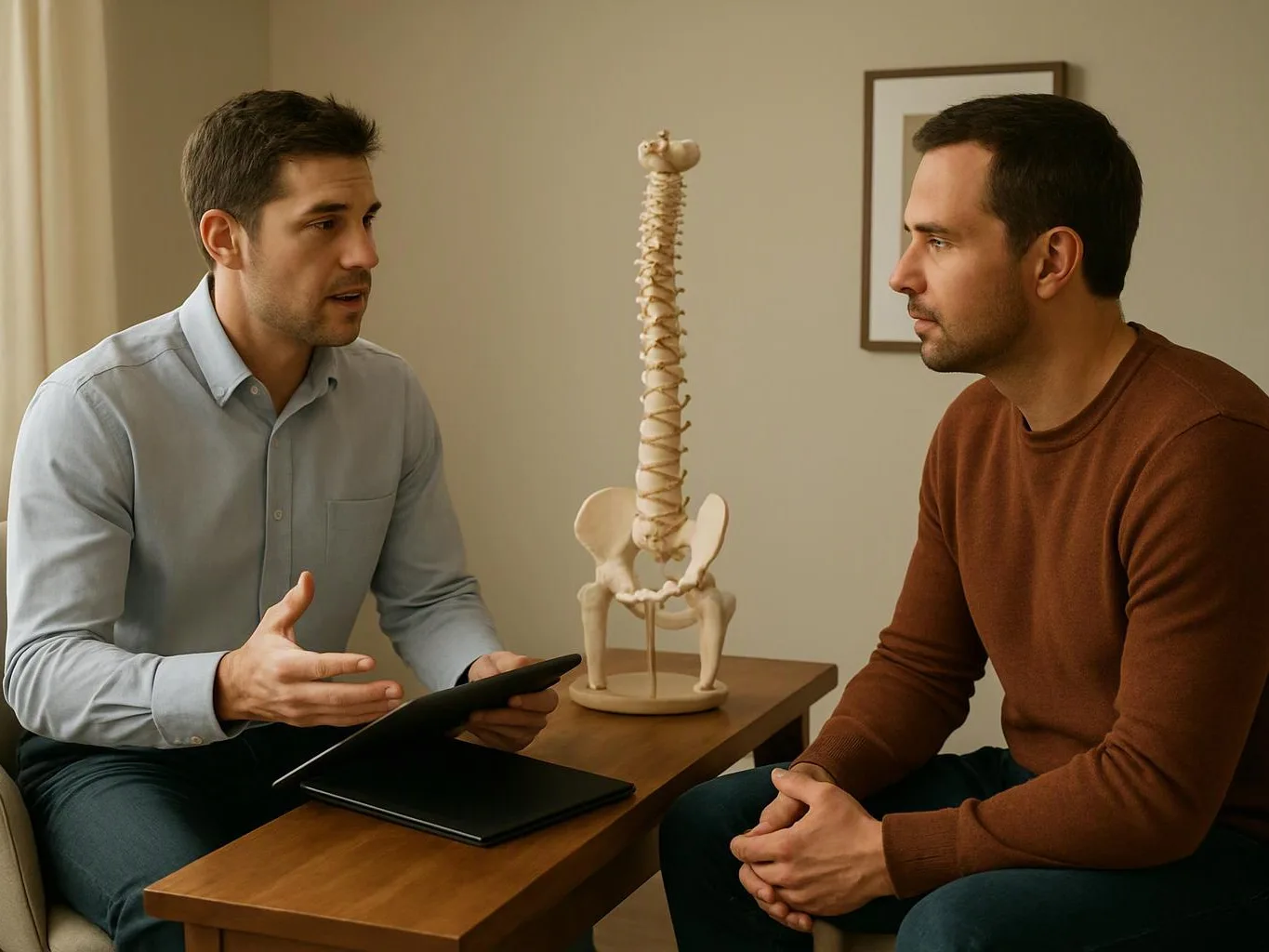
The care plan is matched to the child's health history, examination findings, movement pattern, and stated goals. We review the findings with the parent before recommending treatment. X-rays are considered if clinically indicated, and the plan may include exercises, rehabilitation guidance, or hands-on care.
What should I ask before agreeing to child chiropractic care?
Parents should ask what the assessment found, which treatment is recommended, and how progress will be reviewed. The care plan should explain the intended focus in plain language. Families can also ask whether corrective exercises, soft-tissue therapy, or another referral better fits the child's concern.
Which movement issue can change the care plan?
A change in posture, joint motion, muscle use, or activity tolerance can change the care plan. The movement screening helps connect those findings with the child's concern. Our team then adjusts the focus toward suitable exercises, soft-tissue work, spinal care, or further evaluation.
Why might a child need a movement screening?
A movement screening shows how a child uses the body during actions linked to the concern. The check may reveal limits in bending, turning, walking, or joint motion that a symptom description doesn't show. Those findings help guide treatment planning and explain the next step to the family.
Can corrective exercises be part of a child's care plan?
Corrective exercises can be part of a child's care plan when the assessment supports them. We choose movements that relate to the child's function, activity, and goals. Parents receive guidance on how the exercises fit with other care, and follow-up checks help review the plan.
When should a family ask about another medical evaluation?
Families should ask for another medical evaluation when symptoms suggest an urgent or non-musculoskeletal concern. Pediatric chiropractic care focuses on movement, joints, muscles, and related function. We review the history and findings, then explain when the child's needs fall outside this service.