Pregnancy-Related Back and Pelvic Pain: When to Ask About Care
Prenatal chiropractic care can help assess and manage pregnancy-related back and pelvic pain when symptoms are musculoskeletal. Advanced Injury Care Clinic also recommends prompt obstetric assessment for warning signs such as bleeding, fever, severe pain, or changes in fetal movement.
Request an EstimateWhat pregnancy-related back and pelvic pain can feel like
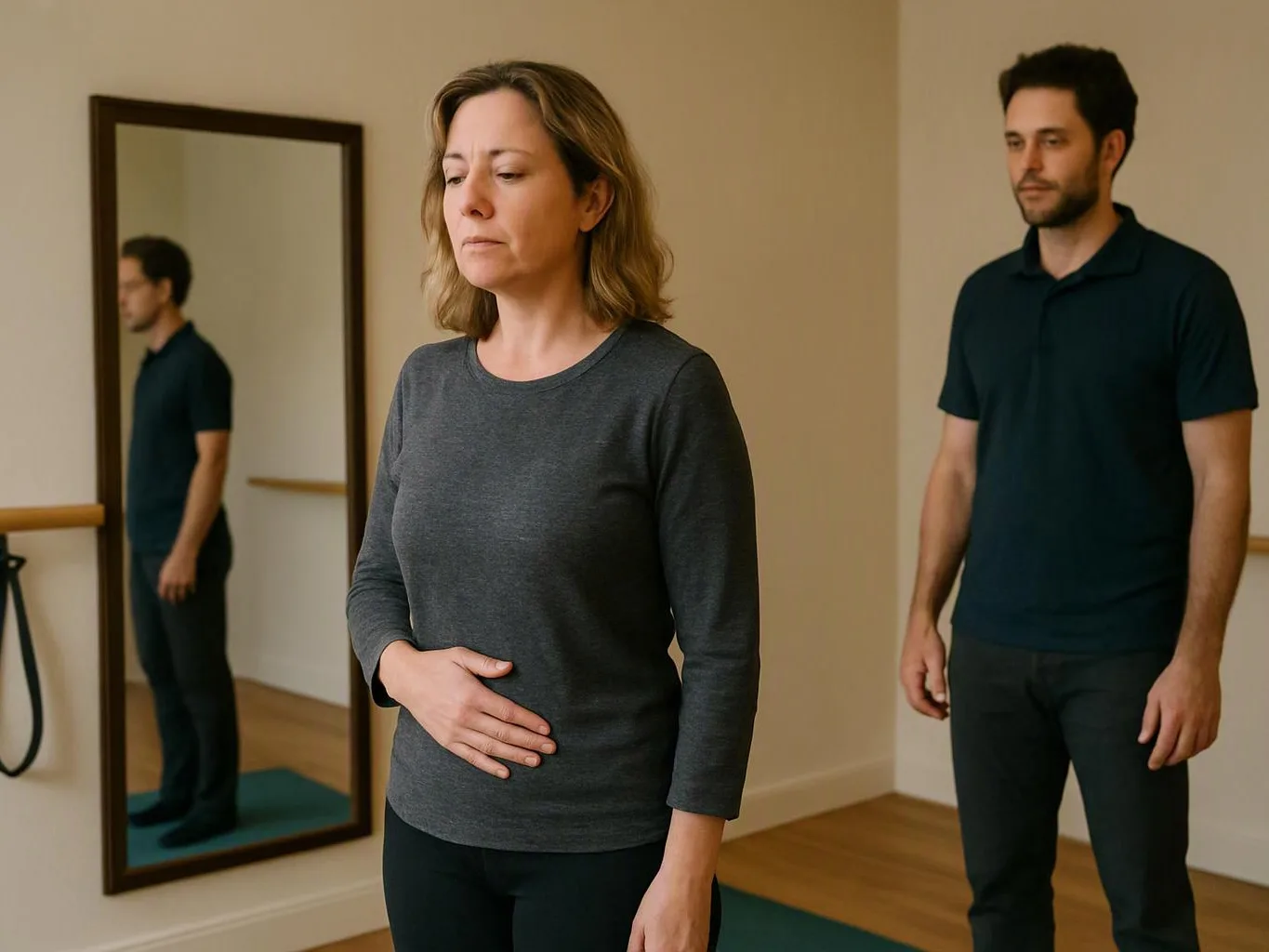
Pregnancy-related back pain and pelvic girdle pain can affect movement, sleep, and daily tasks. We assess the pattern of pain before deciding whether conservative care fits.
Why pregnancy can cause back and pelvic pain
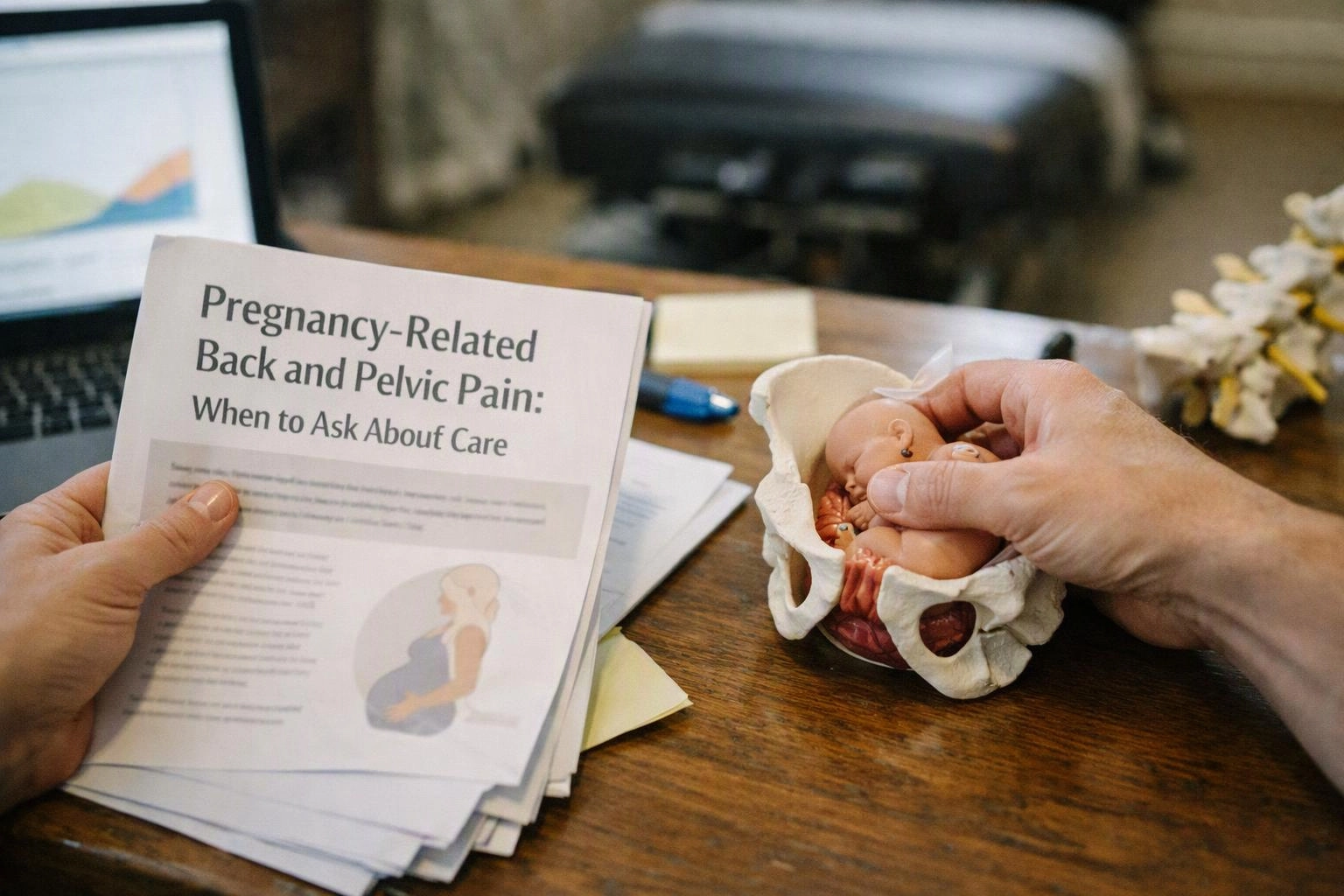
Pregnancy biomechanics can change how the spine, pelvis, hips, and legs share movement. We look at these changes when we assess musculoskeletal pain.
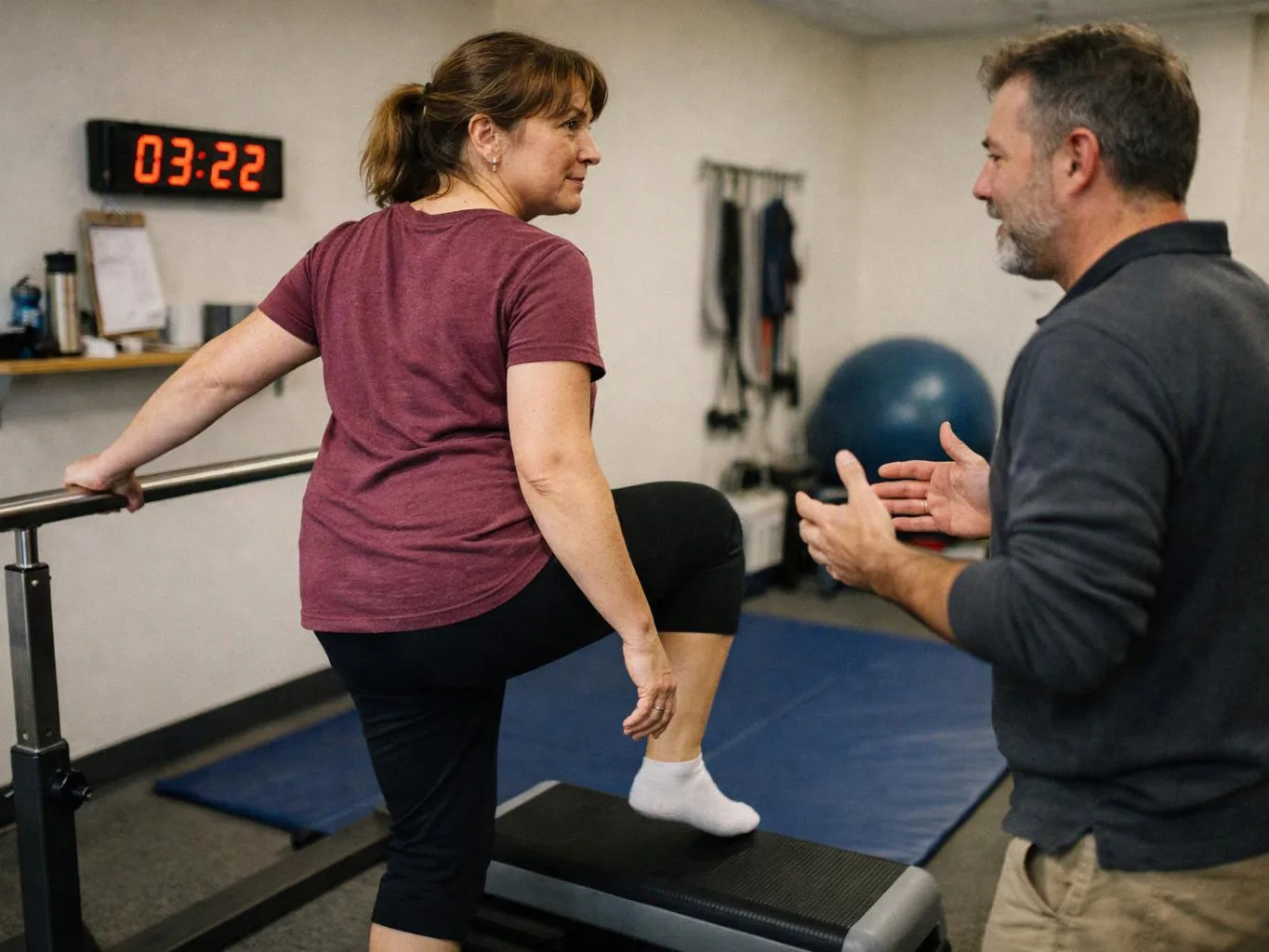
These causes can overlap, so one symptom does not prove one source. Our movement assessment helps us understand how your symptoms respond to safe movement.
When pregnancy back pain needs obstetric assessment
Pregnancy back pain needs obstetric assessment when it is severe, sudden, accompanied by concerning symptoms, or feels different from usual musculoskeletal discomfort.
Contact your obstetric care team promptly for vaginal bleeding, fever, severe or sudden pain, contractions, or fluid leakage. Changes in fetal movement also need prompt obstetric attention.
Loss of bladder or bowel control, new numbness, or weakness requires urgent medical guidance. We don't want chiropractic care to delay needed obstetric care.
How prenatal chiropractic care may help pregnancy back pain
Prenatal chiropractic care may help pregnancy back pain when an assessment links symptoms to musculoskeletal strain and care is adapted to pregnancy.
Our Prenatal Chiropractic Care approach begins with a musculoskeletal assessment. We review spinal movement, pelvic alignment, and joint mobility before discussing pregnancy-safe care.
Care may include gentle movement advice, positioning changes, and a prenatal chiropractic adjustment when appropriate. We adapt each plan to your symptoms, pregnancy stage, and comfort.
What we check before recommending care
Our team reviews your symptom history, pain location, and pain triggers first. We also ask how pain affects sleep, walking, work, and daily activities.
We complete a movement assessment and consider your pregnancy stage. We also screen for obstetric concerns that may require medical assessment or referral.
Simple ways to reduce pregnancy back and pelvic strain
Small changes can reduce strain during daily movement and rest. These steps support comfort, but they don't replace obstetric care for warning signs.
How to decide whether to ask about prenatal chiropractic care
Ask about prenatal chiropractic care when pain limits movement or daily activities and no urgent obstetric warning signs are present.
What to expect when you contact Advanced Injury Care Clinic
Advanced Injury Care Clinic begins a prenatal chiropractic consultation with your patient history and current concerns. Our team then completes a physical assessment suited to your pregnancy stage.
We explain whether your symptoms appear musculoskeletal and discuss practical care options. Our care planning may include movement advice, gentle treatment, or referral when obstetric assessment is more appropriate.
We offer Free Consultations for people who want to discuss pregnancy-related back pain or pelvic girdle pain before choosing care.
Questions About Pregnancy Back and Pelvic Pain
Can pregnancy back pain make it hard to turn in bed?
Yes, pregnancy back pain can make turning in bed difficult when the lower back, hips, or pelvic joints become sensitive. Advanced Injury Care Clinic assesses the movement pattern and checks for warning signs before recommending care.
How can you tell pelvic girdle pain from ordinary pregnancy discomfort?
Pelvic girdle pain often causes focused pain around the pelvis, hips, or sacroiliac joints during walking, stairs, standing, or bed movement. A clinical assessment helps separate musculoskeletal pain from symptoms that need obstetric care.
Can prenatal chiropractic care help with pregnancy-related back pain?
Yes, prenatal chiropractic care may help when an assessment connects the pain with musculoskeletal strain. Care must be adapted to pregnancy and should not delay obstetric assessment for warning signs.
Should you see an obstetric clinician for severe back pain during pregnancy?
Yes, severe or sudden back pain during pregnancy should be assessed by your obstetric care team. Prompt medical guidance is especially important when bleeding, fever, contractions, fluid leakage, or changes in fetal movement occur.
What symptoms mean pregnancy back pain needs urgent medical attention?
Urgent medical attention is needed for severe or sudden pain, vaginal bleeding, fever, loss of bladder or bowel control, numbness, weakness, contractions, fluid leakage, or changes in fetal movement.