Postural Correction: Assessment, Chiropractic Care, and Realistic Goals
Postural correction through chiropractic care starts with an assessment of alignment, movement, and contributing factors; Advanced Injury Care Clinic uses that information to guide chiropractic adjustments, supportive exercises, and realistic goals for improved movement and comfort.
Request an Estimate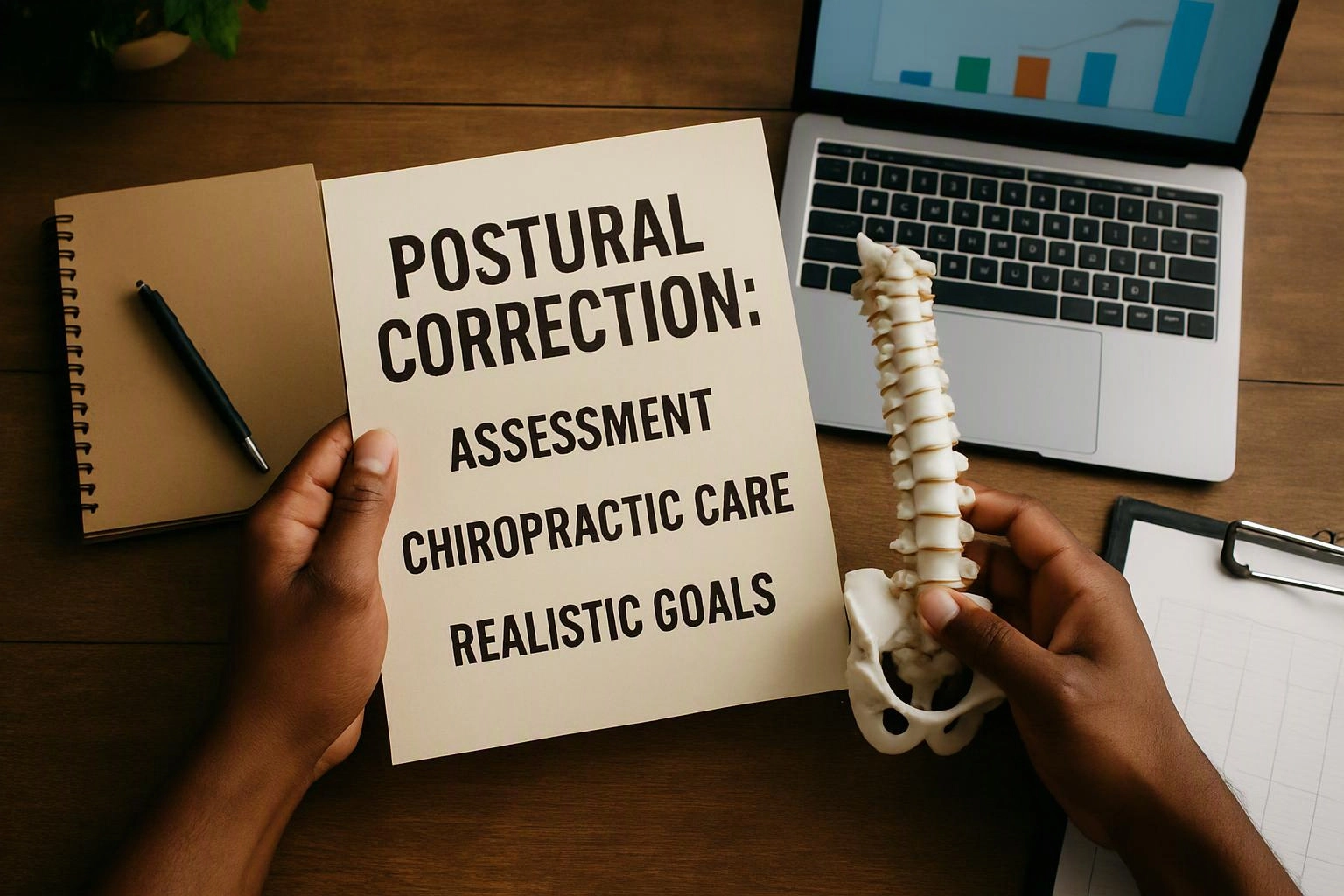
Postural correction can support better movement, body awareness, and comfort, but chiropractic care does not guarantee a permanent change to every structural or habitual posture pattern. Our team focuses on how your neck, shoulders, spine, pelvis, hips, and core muscles work together during daily activities.
Postural alignment is only one part of the musculoskeletal system. Movement patterns, muscle balance, joint mobility, habits, and health history can all shape how you stand, sit, and move.
What Postural Correction Can and Cannot Do
Postural correction can support better movement, body awareness, and comfort, but chiropractic care does not guarantee a permanent change to every structural or habitual posture pattern.
Postural correction may help you notice and control movement patterns linked with rounded shoulders, forward-head posture, anterior pelvic tilt, thoracic stiffness, or postural asymmetry. These changes do not mean that every person needs the same alignment or that one standing position is ideal for everyone.
Our care is guided by realistic goals. We look at function, comfort, and movement control instead of promising a permanent structural change.
How We Assess Posture Before Chiropractic Care
A postural assessment identifies how alignment, mobility, movement habits, and symptoms relate before we plan care. We connect your reported pain patterns with what we observe during movement.
Can Chiropractic Adjustments Improve Posture?
Yes, chiropractic adjustments may support postural improvement when restricted joint movement or movement habits contribute to the posture concern, but results depend on the individual assessment and follow-through.
A chiropractic adjustment uses controlled care to support joint mobility and spinal movement. Improved movement may make it easier to practice better movement control and postural awareness.
Adjustments do not replace strengthening, mobility work, or changes to daily habits. We use the assessment to decide whether an adjustment fits your needs and how it may work with other parts of your plan.
How Chiropractic Care May Support Better Posture
Chiropractic care may support better posture by addressing movement limits, muscle tension, and body awareness that affect daily function. Our team connects each part of care to the findings from your evaluation.
Common areas of focus include:
Exercises and Daily Habits That Support Postural Correction
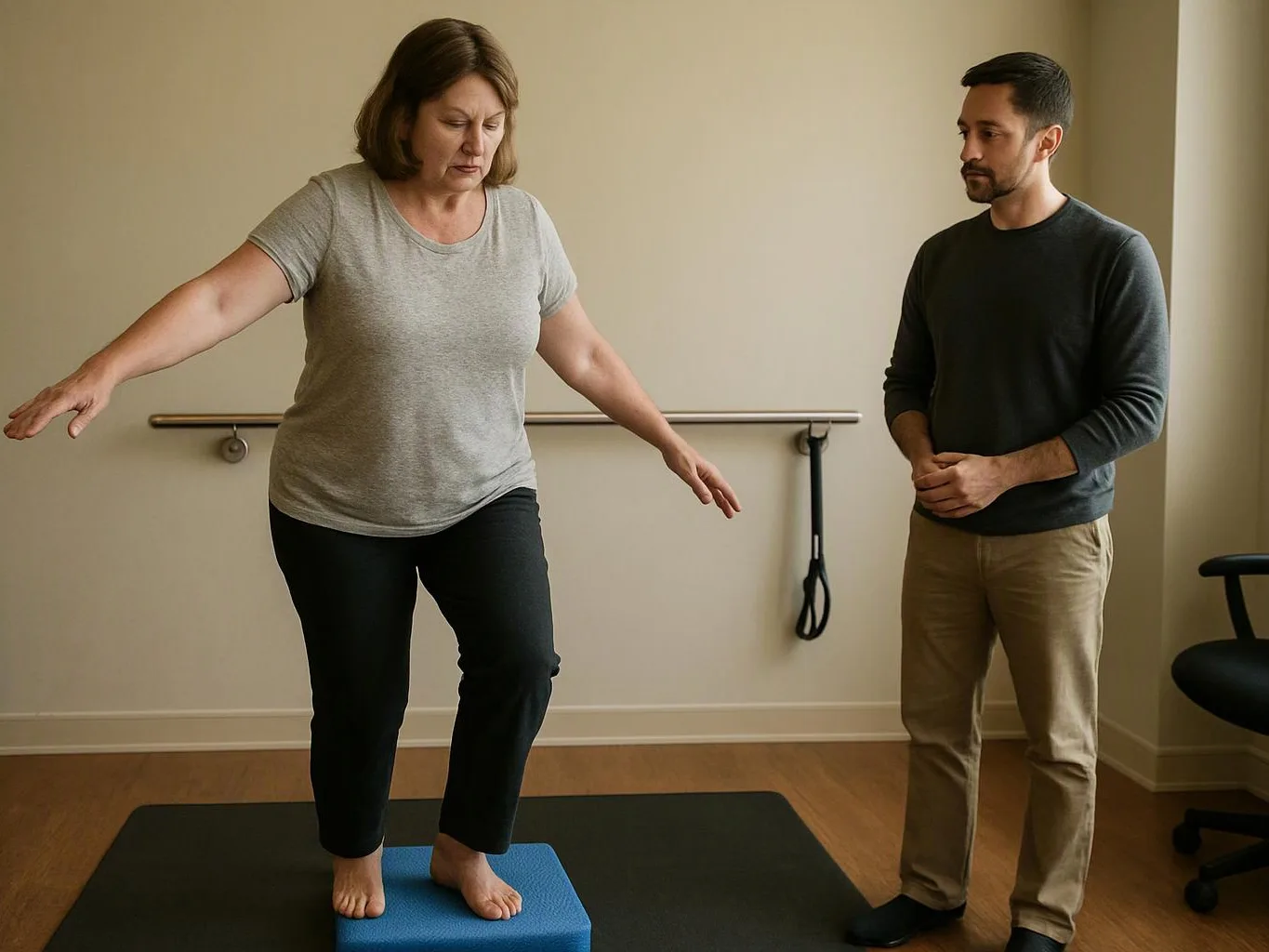
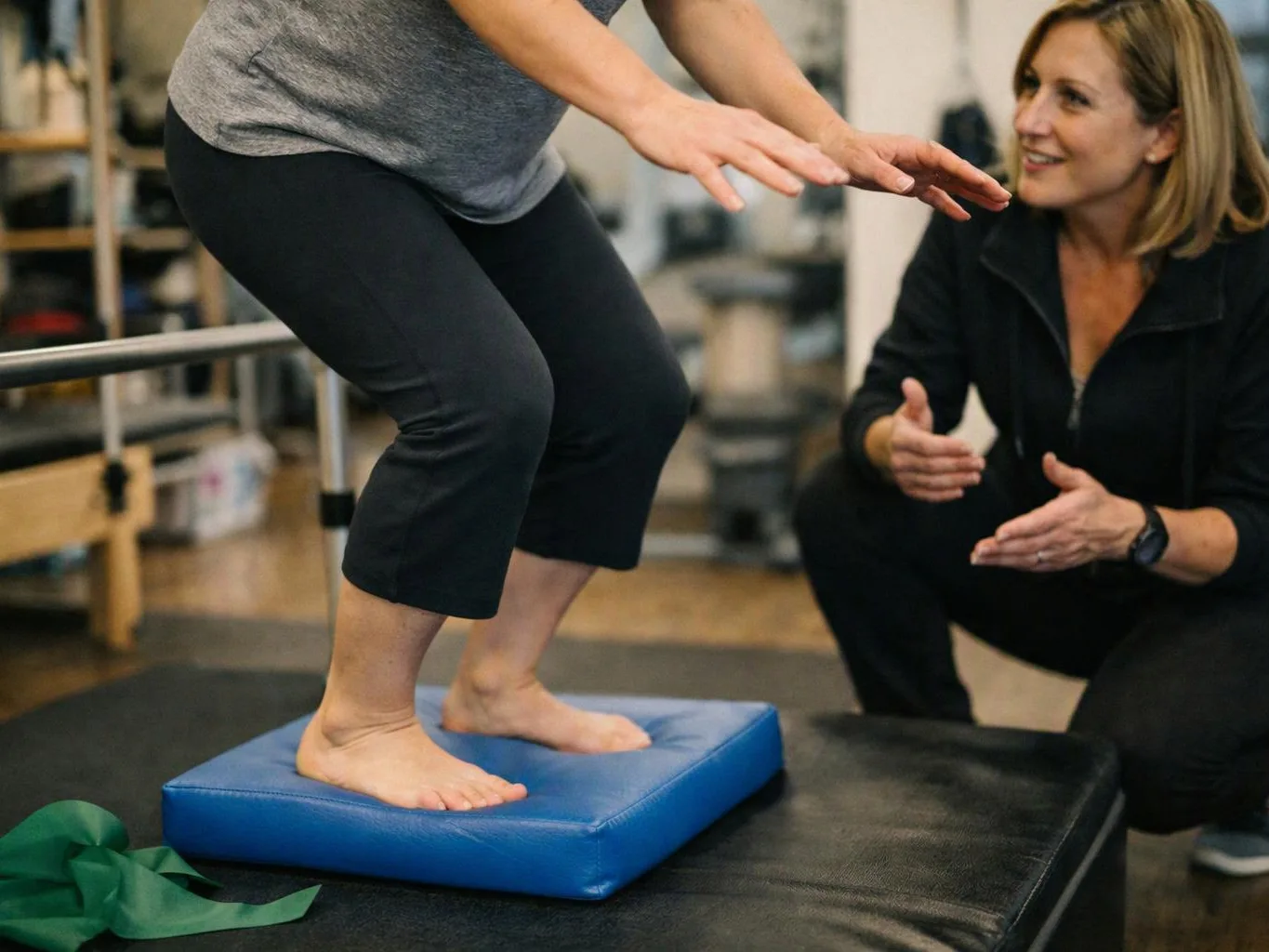
Postural exercises support lasting movement changes by building control and endurance outside the clinic. We select exercises that match your mobility, strength, symptoms, and treatment goals.
Helpful areas may include:
What Realistic Posture Goals Look Like
Realistic posture goals focus on measurable improvements in movement, comfort, control, and daily function rather than forcing one ideal standing position.
Functional posture changes may include easier movement, improved range of motion, better activity tolerance, or more controlled transitions between positions. Comfort is also important because a position that looks aligned may not be useful if it causes pain or limits activity.
Your individual response to care guides the plan. We review progress through changes in movement, symptoms, and daily tasks instead of judging posture by appearance alone.
When Poor Posture May Relate to Neck or Back Pain
Poor posture may contribute to neck or back pain by changing how muscles and joints handle movement, but pain can have multiple causes that require an individual assessment.
Long periods in one position may increase muscle strain or change joint loading. These effects can contribute to neck pain, back pain, or discomfort around the shoulders and spine.
Nerve symptoms, injury, inflammation, and underlying conditions can also cause pain. We assess the full pattern rather than assuming posture is the only cause.
Our guide, Chiropractic Care for Back Pain: Potential Benefits and Progress Measures, explains how movement and daily function can help guide care. Chiropractic Care for Neck Pain: Potential Benefits, Risks, and Progress covers similar considerations for neck symptoms.
How We Build a Postural Correction Plan
A chiropractic evaluation gives us the information needed to build a postural correction plan around your symptoms, movement, and goals. We adjust the plan when your response to care provides new information.
Why Choose Advanced Injury Care Clinic for Postural Correction
Advanced Injury Care Clinic provides postural correction through assessment-led chiropractic care, movement guidance, and an individual care plan. We consider how posture affects your daily activities instead of applying one standard position to every person.
Our team can discuss whether Postural Correction or a Chiropractic Adjustment fits your needs after reviewing your symptoms and movement. We also explain realistic goals and supportive home exercises in clear terms.
Free Consultations are available for discussing your concerns and possible next steps.
Questions About Postural Correction and Chiropractic Care
Is chiropractic care enough to correct poor posture?
Advanced Injury Care Clinic uses chiropractic care as one part of postural correction when joint mobility, movement habits, or symptoms support that approach. Exercises, home care, body awareness, and daily movement habits may also be needed.
How do I know whether my posture is causing my pain?
A postural assessment can show whether posture, movement patterns, muscle tension, and joint loading relate to your pain. Pain may have more than one cause, so our team reviews your history and movement before drawing conclusions.
What should I bring to a posture assessment?
Bring a list of current concerns, information about past injuries, and details about activities that affect your symptoms. Clothing that allows comfortable movement can also help our team observe posture and range of motion.
Can posture exercises make chiropractic adjustments more effective?
Posture exercises can support the movement and control changes addressed during chiropractic care. Our team selects exercises that match your assessment and shows how to perform them safely as part of home care.
Contact Advanced Injury Care Clinic to discuss your posture concerns, movement goals, and care options.